For decades, jazz fusion has existed as one of modern music’s most technically sophisticated yet historically underserved movements. Despite its global influence, the genre has often lacked the institutional preservation afforded to more commercially visible styles, leaving many of its architects scattered across fragmented histories, inconsistent narratives, and fading cultural memory. With the release of Virtuoso Bass, Issue 4: “The Founding Four,” KL Publishing Group has positioned itself at the center of a bold corrective effort: the formal canonization of jazz fusion bass history.
More than a magazine issue, the publication functions as the opening chapter of a larger archival initiative designed to document, preserve, and codify the lineage of fusion bass before its historical framework becomes diluted or forgotten. At the core of this ambitious undertaking is the formal recognition of four musicians whose innovations permanently transformed the electric bass from a supporting instrument into a melodic, harmonic, and compositional force within modern music: Stanley Clarke, Jaco Pastorius, Bunny Brunel, and Jeff Berlin.
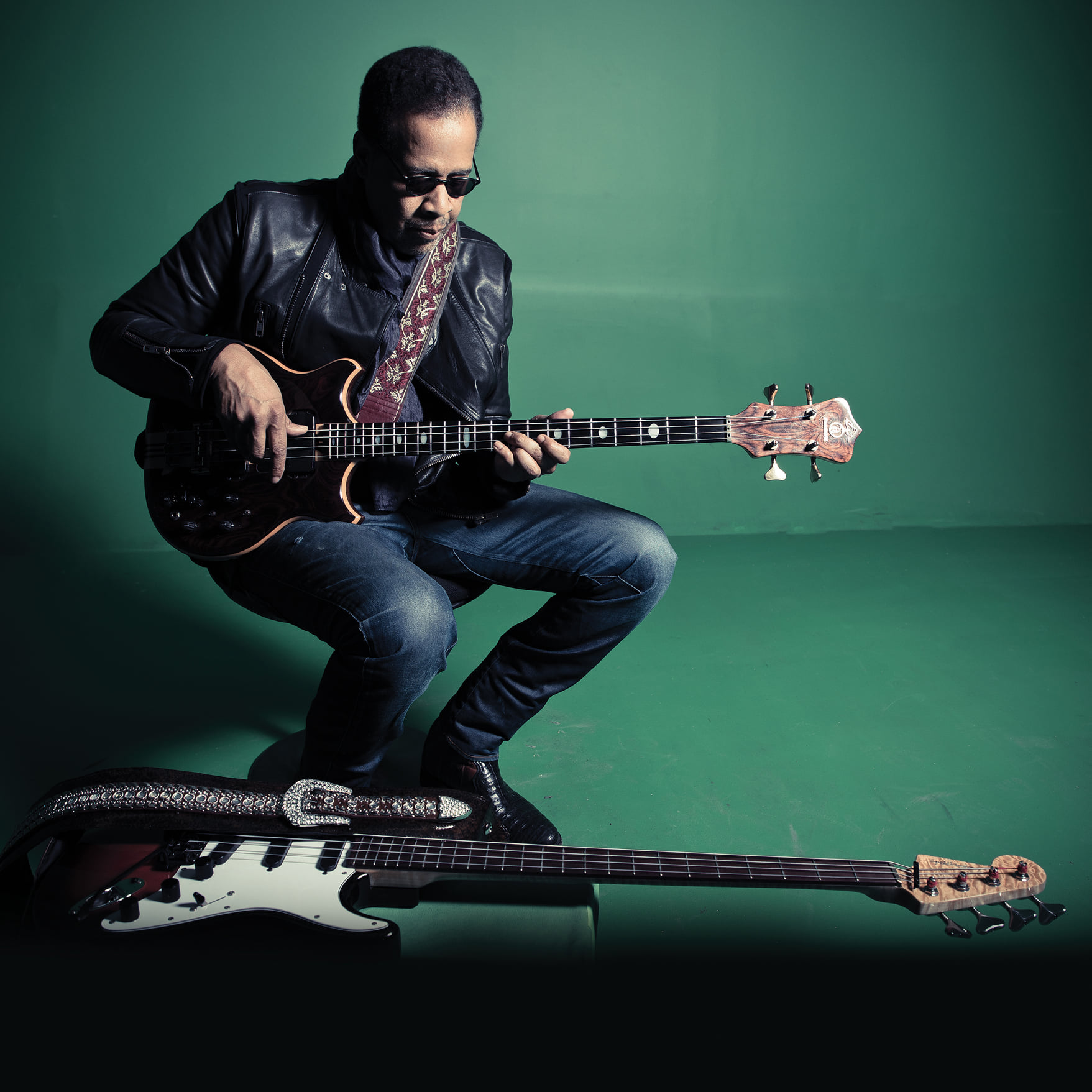
Rather than presenting the four musicians as competitors in a hierarchy of popularity, the issue frames them as interconnected architectural pillars of the same musical movement. According to the editorial research featured throughout the publication, the canon was determined through a combination of chronology, technical innovation, harmonic advancement, educational influence, and the documented expansion of the bass into a frontline compositional instrument.
The research itself extends beyond fan discourse or commercial metrics. The issue reportedly draws upon historical recordings, musician testimony, educational lineage, and firsthand perspectives from artists directly connected to fusion’s formative years. Among the most significant contributors to the canon framework is legendary keyboardist Patrick Moraz, whose firsthand experiences during fusion’s formative era reportedly helped establish the sequence and interconnected development of the movement’s foundational bass architects.
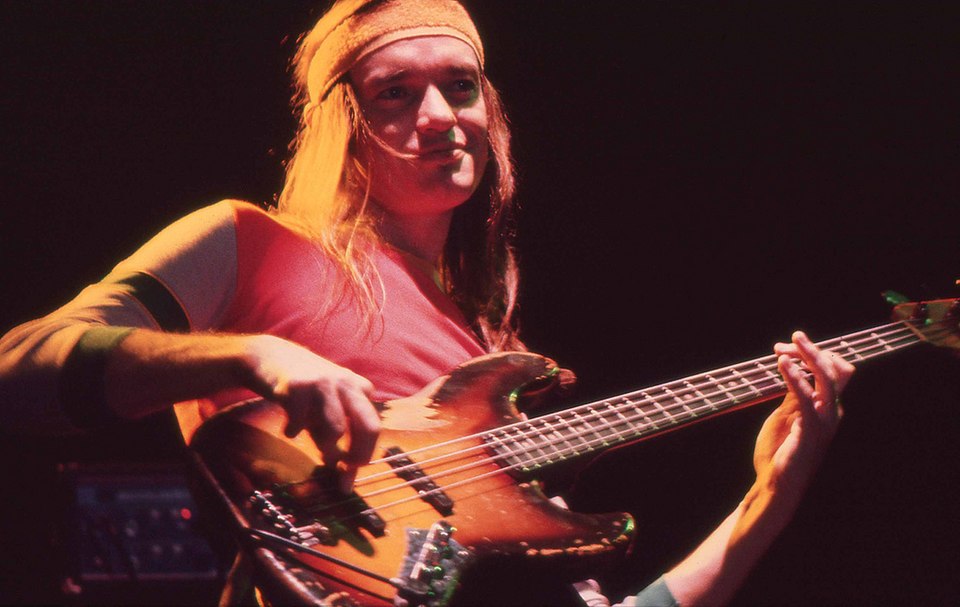
In the issue’s centerpiece feature, The Founding Four: Canonizing the Architects of Jazz Fusion Bass, the editorial voice leaves little ambiguity regarding the publication’s mission. “There is a moment in every art form when the language stops being experimental and becomes inevitable,” the article declares. “For jazz fusion bass, that moment arrived when four players stepped forward and refused to treat the instrument as background furniture.”
That philosophy extends visually throughout the publication itself. The cover reportedly features the foundational instruments associated with each of the four pioneers during fusion’s formative years, transforming the issue into both a scholarly document and a visual historical statement. The accompanying feature, The Founding Four (1978: The Peak of the Architects), goes even deeper, tracing the forensic histories of the instruments that helped redefine modern bass performance.
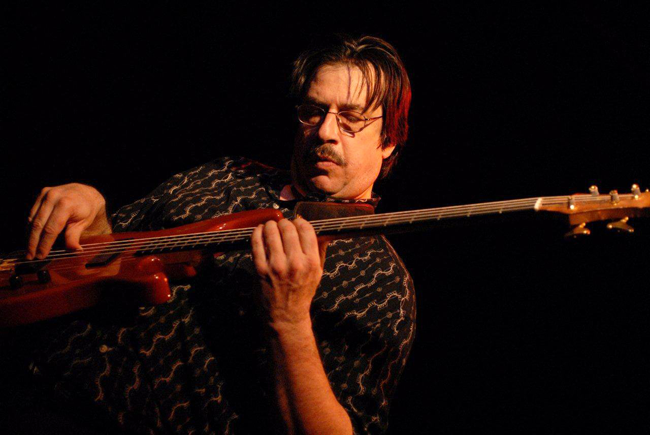
Among the issue’s revelations is the story behind Alembic’s legendary 1973 Series I bass used by Stanley Clarke, described in the article as “the first boutique active bass to define fusion.” The feature recounts how Alembic co-founder Ron Wickersham allegedly witnessed Clarke testing the instrument before remarking, “We just found out what this thing is for.” The publication also revisits the mythology surrounding Jaco Pastorius’ transformed 1962 Fender Jazz Bass, reminding readers that “Jaco didn’t buy a fretless; he created it.” Meanwhile, Bunny Brunel’s modified 1965 fretless Precision Bass and Jeff Berlin’s famously stripped-down 1976 Precision Bass become symbolic of the radically different philosophies that collectively shaped fusion bass vocabulary.
Bunny Brunel speaks candidly about fusion’s development and the importance of preserving its lineage, Brunel states: “Fusion didn’t drop out of the sky, and it didn’t assemble itself from random musicians. It was built. And the bass didn’t accidentally end up in the front. It earned that spot.”
Beyond the canon framework, the issue reportedly delivers an expansive range of historical and technical content. Features include a major retrospective on Miroslav Vitouš, an extensive profile on Cindy Blackman Santana and the legacy of Tony Williams, a technical exploration of La Bella Strings and bass tone philosophy, fusion album retrospectives focused on Frank Zappa, Larry Coryell, and Allan Holdsworth, as well as interviews and spotlights featuring bassist Starr Cullars and veteran composer/bassist Hilliard Wilson.
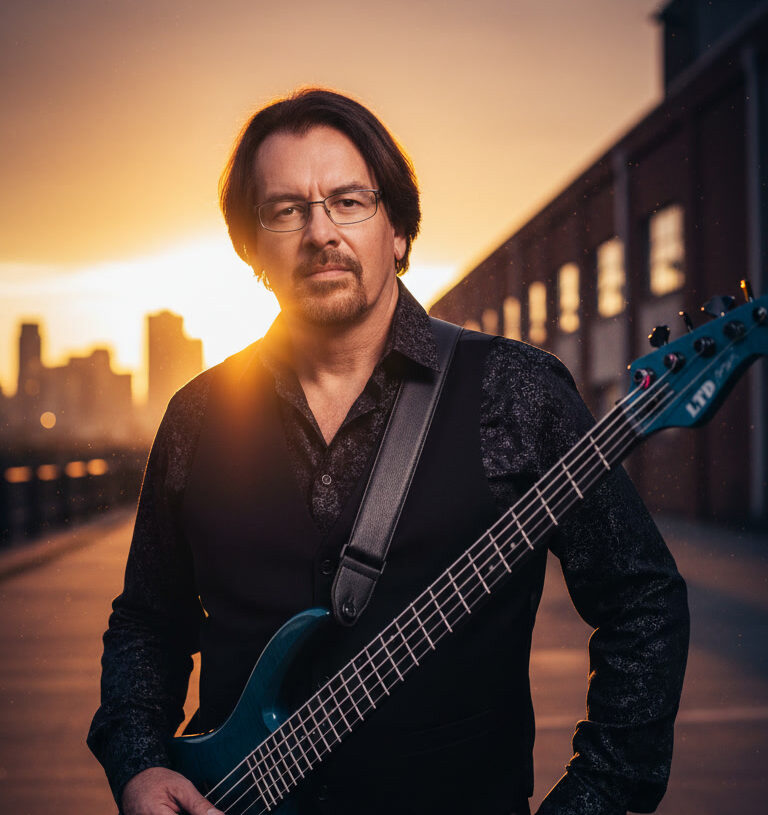
The release of the issue also coincides with the launch of the redesigned official website for Bunny Brunel Official, reinforcing the broader ecosystem surrounding the publication’s historical preservation efforts.
Perhaps most significantly, Virtuoso Bass, Issue 4 is positioned as a precursor to a forthcoming hardcover canon volume currently in development through KL Publishing Group. The upcoming release will reportedly expand upon the magazine’s research while featuring a foreword by legendary Larry Dunn of Earth, Wind & Fire fame, further cementing the project’s connection to musicians directly linked to fusion’s formative years.
Ultimately, the issue argues that canonization is not an act of nostalgia, but one of continuity. Its editorial thesis insists that the innovations of Clarke, Pastorius, Brunel, and Berlin remain alive in every bassist who approaches the instrument as a complete musical language rather than a supporting utility. As the issue concludes, “We are simply doing what serious magazines are supposed to do. We are naming the architects.”