Sometimes a story reaches you later than you would have liked. On June 23, my friend Deborah Lee sent me an email with a link to Vogue’s “Betye Saar’s Magic Touch.” Debbie wrote that Saar was incredible, told me about the exhibition then running at Roberts Projects on La Brea, and said simply, “She would be amazing to feature!” I just opened the email.
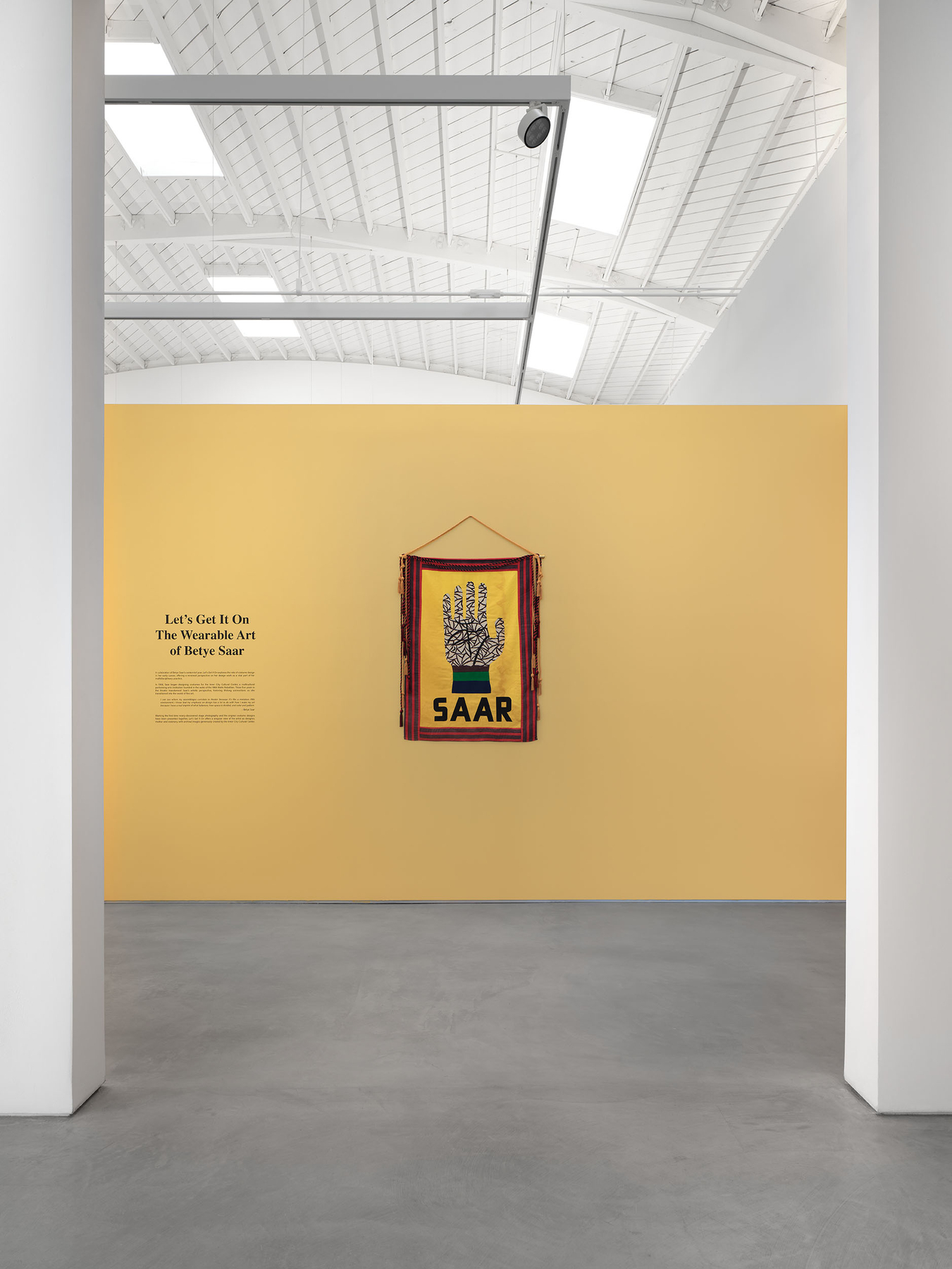
Fortunately, there is still time to see the exhibition Debbie wanted AGENDA to cover. Let’s Get It On: The Wearable Art of Betye Saar remains on view at Roberts Projects in Los Angeles through August 22, and it offers an unexpected way into the life and work of an artist most of us know for something else entirely. We know the assemblages. We know the found objects. We know Black Girl’s Window. We know The Liberation of Aunt Jemima. But Betye Saar also made clothes.
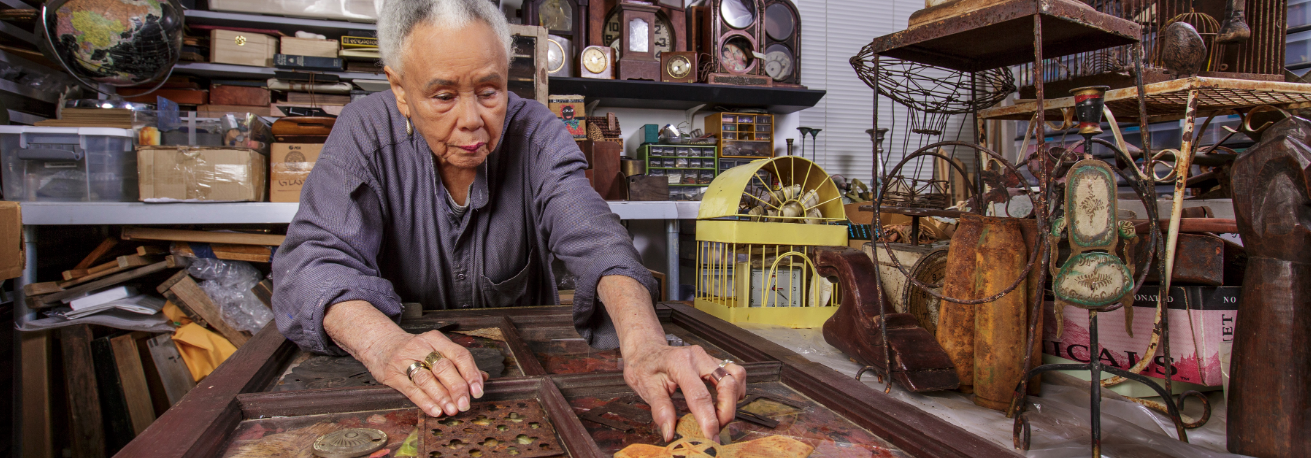
She made jewelry. She designed costumes. She sewed for herself and her family. She worked in theater. And when you begin looking closely at this part of her history, the distance between those things and the celebrated assemblage artist begins to disappear.
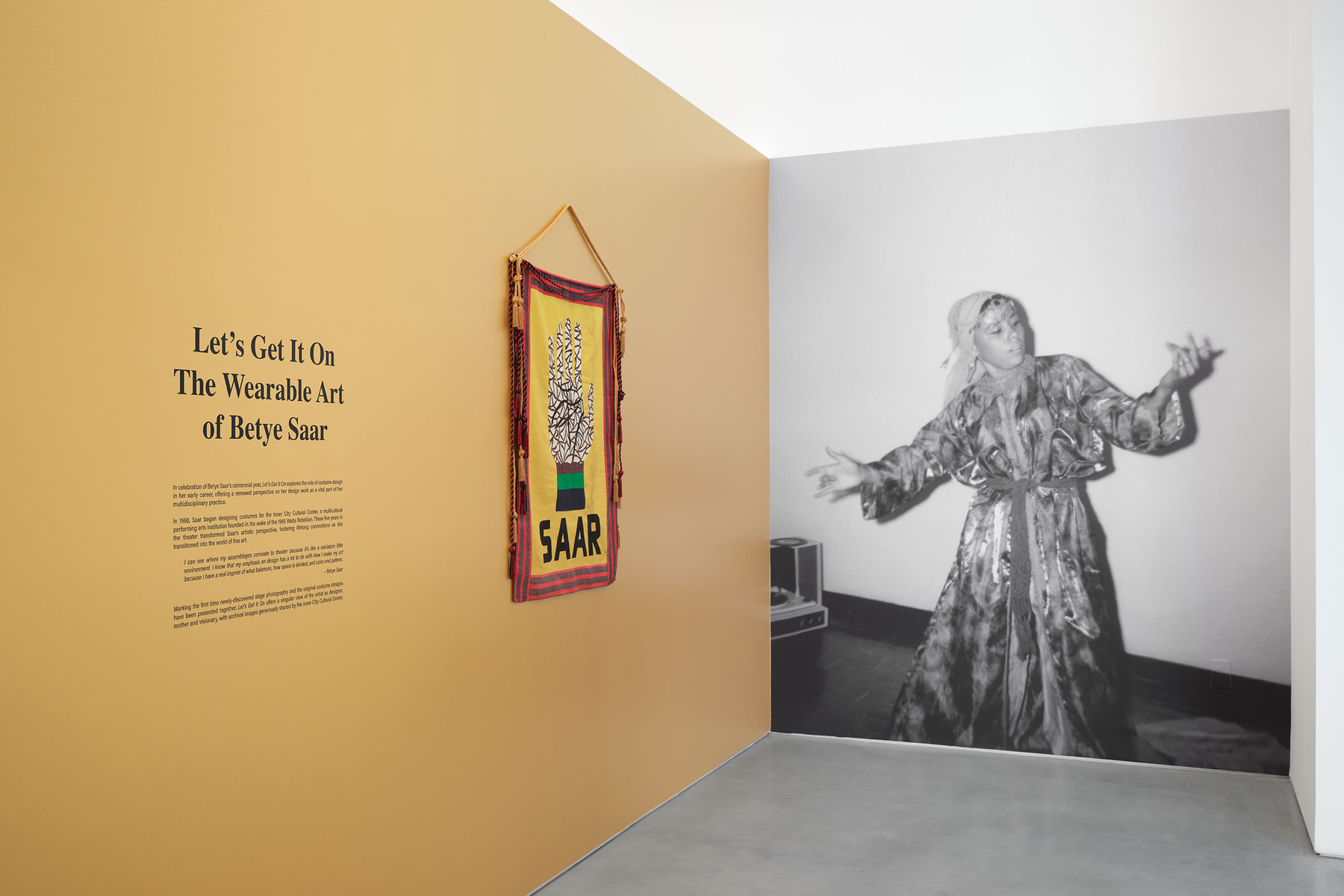
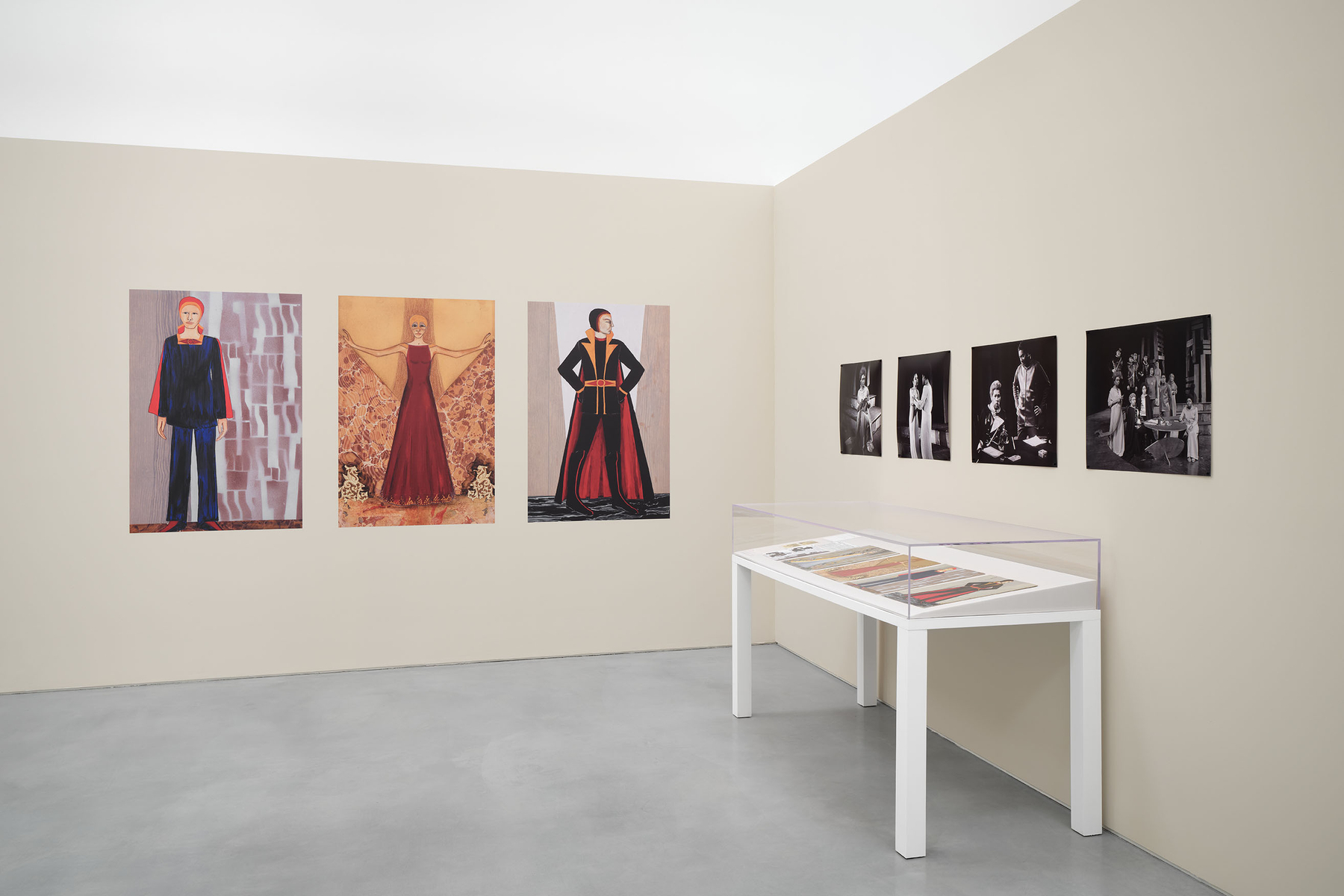
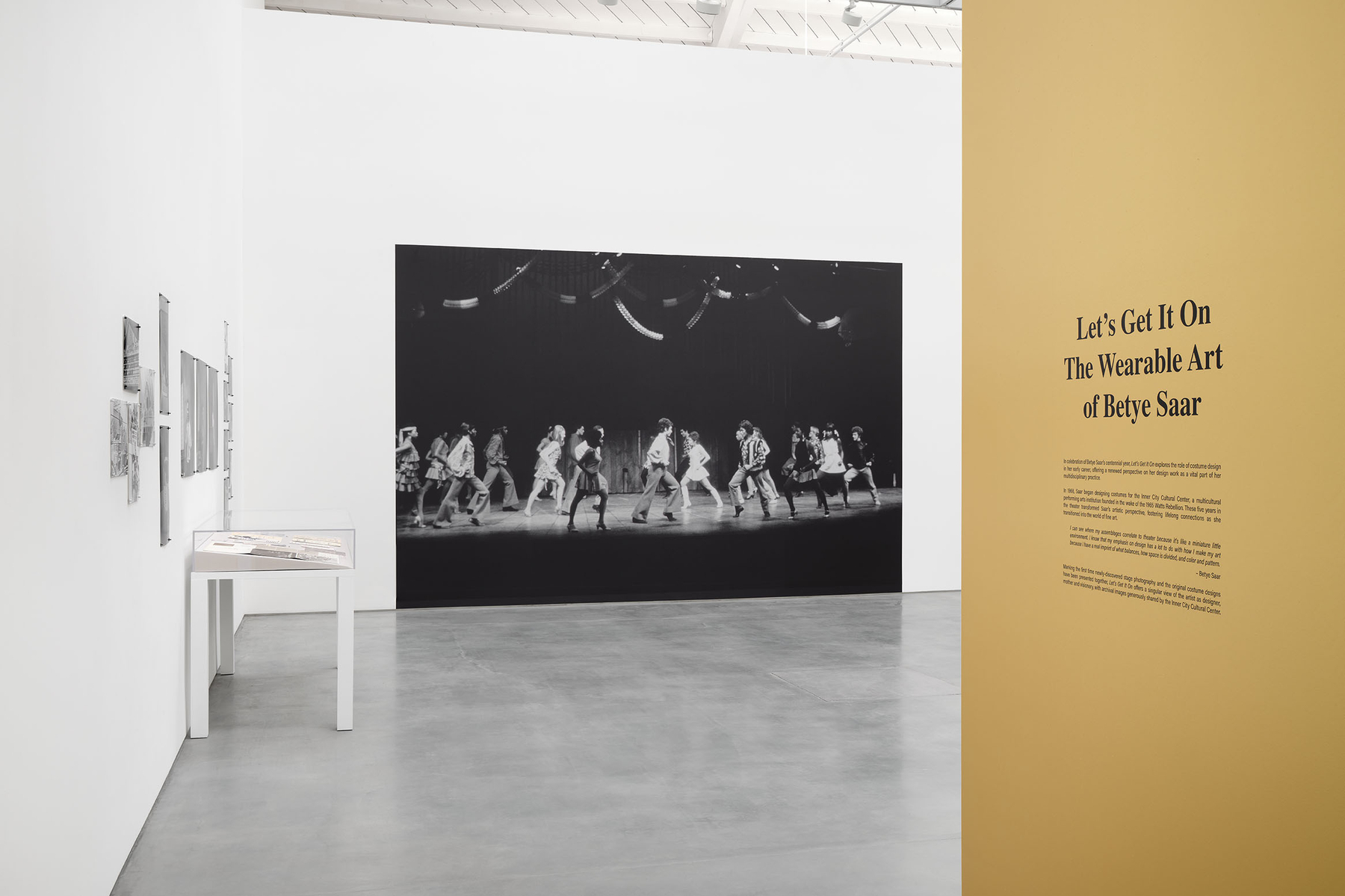
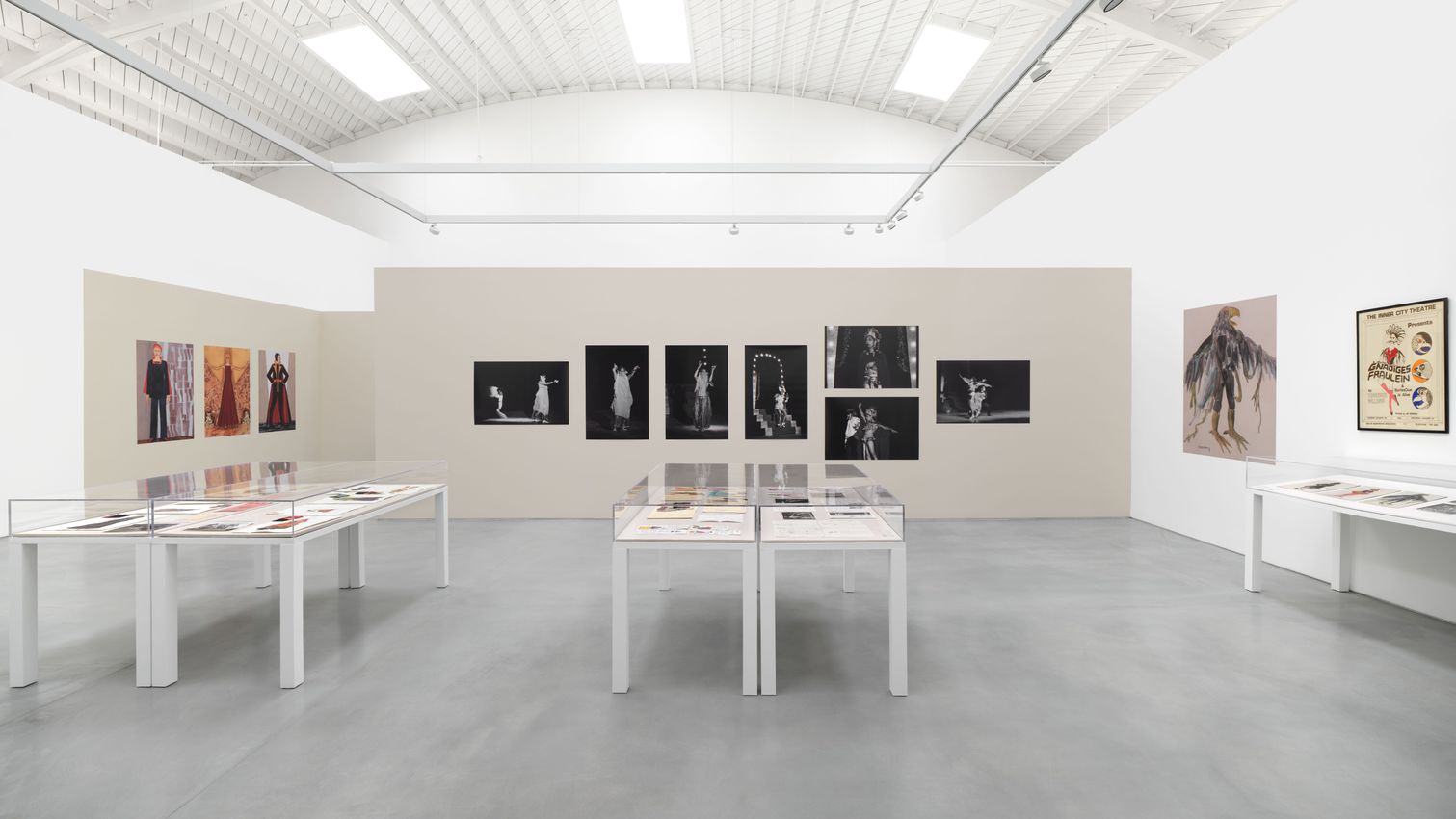
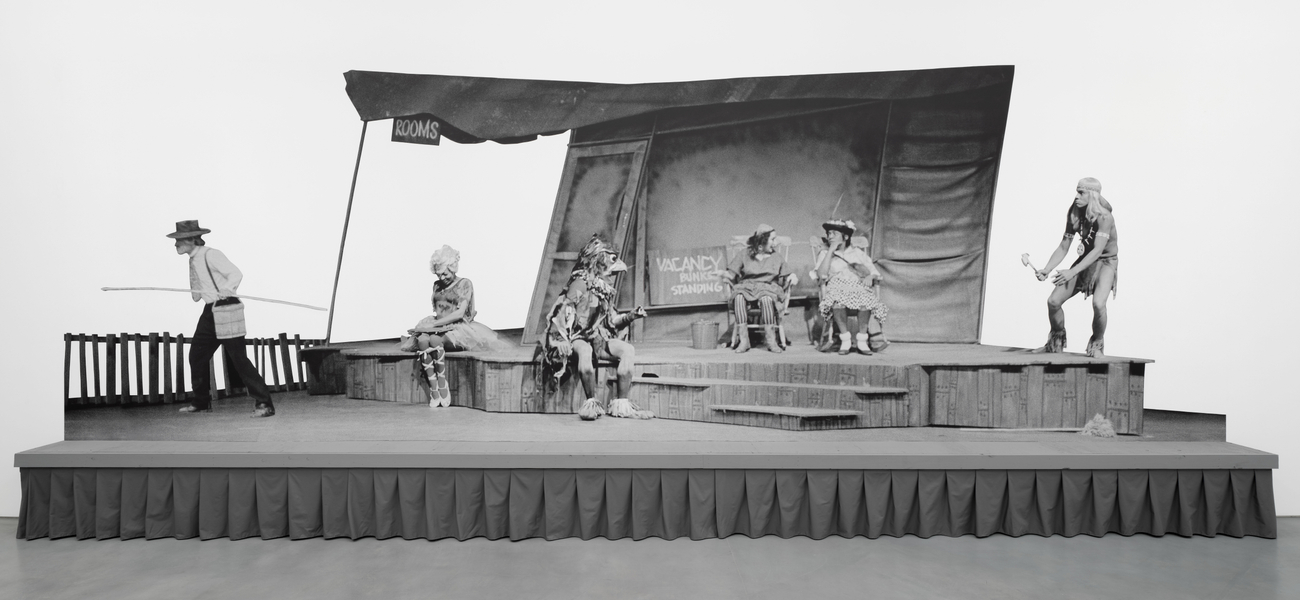
Let’s Get It On brings together more than 200 objects from the 1950s through the 1970s, including costume designs, photographs, drawings, garments, jewelry, artworks, and historic materials. Newly discovered photographs from productions at Los Angeles’s Inner City Cultural Center are shown alongside Saar’s original costume sketches. The exhibition proposes something important: this work was not an insignificant detour on the road to Saar becoming a serious artist. Design was part of the road.
The Designer Before the Icon
Saar herself made an interesting distinction when Vogue visited Roberts Projects as she walked through the exhibition before it opened.
“I never considered myself an artist [then], always as a designer.”
That sentence stopped me.
Betye Saar was born in Los Angeles on July 30, 1926. She graduated from UCLA in 1949, having studied design, and later encountered printmaking while studying at California State University, Long Beach. Printmaking became her bridge from design into fine art. Eventually, the boxed constructions of Joseph Cornell helped inspire another transition, this time toward assemblage.
But Saar’s instinct for making things had begun much earlier.
Her mother was a seamstress. Saar recalled that during the Depression, purchasing new clothes was not necessarily an option.
“If we wanted a new dress, we had to make it.”
There is something wonderfully matter-of-fact about that statement. This wasn’t fashion as an abstract idea. It was making. It was necessity. It was knowing what materials could do and understanding that if something did not exist, you could create it. That sensibility followed her.
As a child, Saar spent time in Watts and watched Simon Rodia’s Watts Towers being constructed from discarded materials: broken glass, pottery, shells, and other things that had already served some previous purpose. The experience became one of the early influences on the work Saar would eventually create herself.
And Saar was a collector.
Vogue asked her about that tendency as she approached 100. Her response was wonderfully simple:
“I was a person that never threw away anything.”
That habit would become art.
From Printmaking to Assemblage
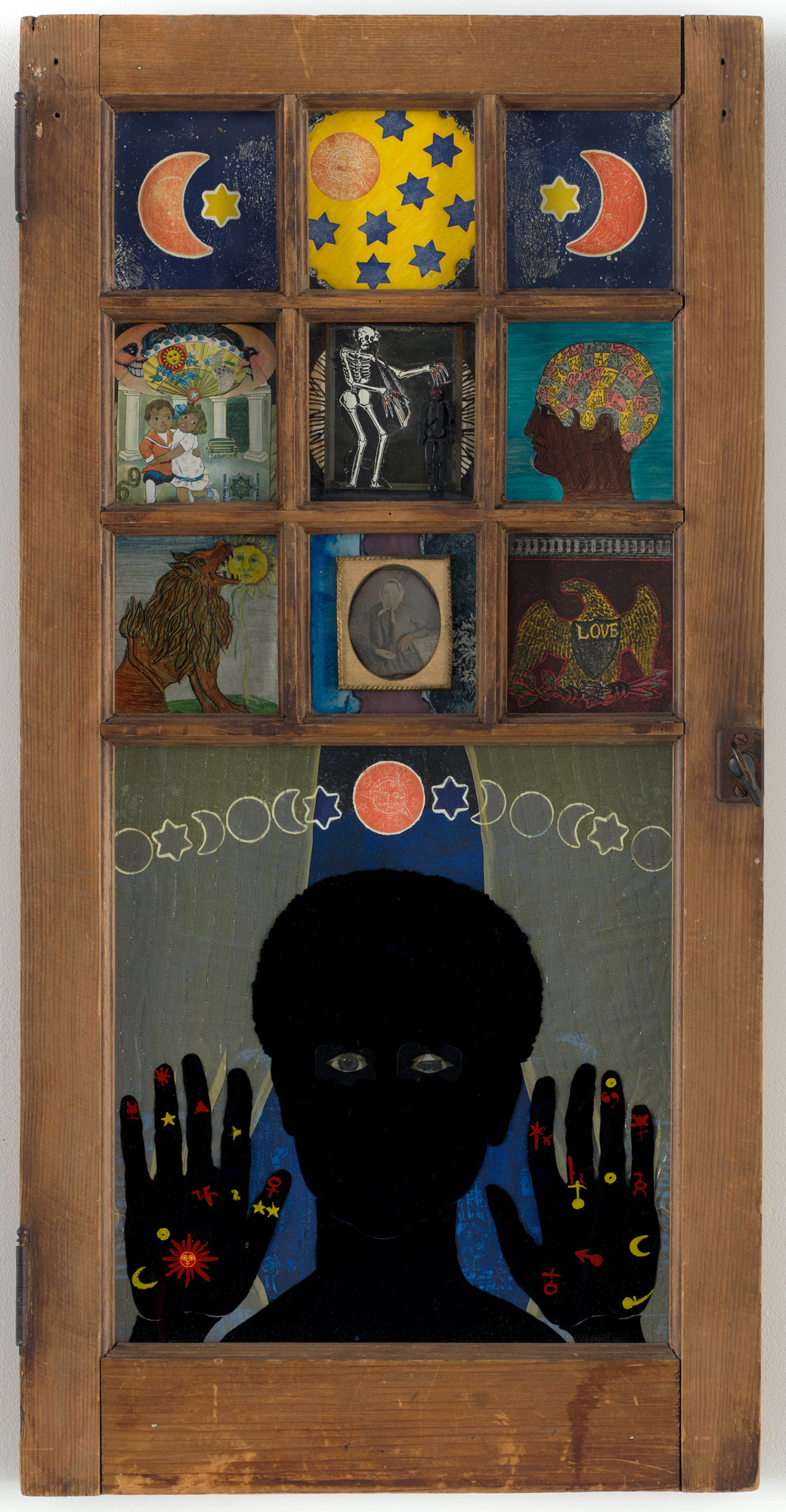
By the late 1960s, Saar was moving beyond printmaking into assemblage. In 1969 she created Black Girl’s Window, a work now in the collection of the Museum of Modern Art. An old wooden window became the structure for a deeply personal composition incorporating images of family, identity, memory, and Saar herself. MoMA considers it a pivotal work marking her transition from printmaking toward collage and assemblage.
Saar described it much more personally:
“Black Girl’s Window I suppose it’s like a diary of my life.”
Three years later came The Liberation of Aunt Jemima.
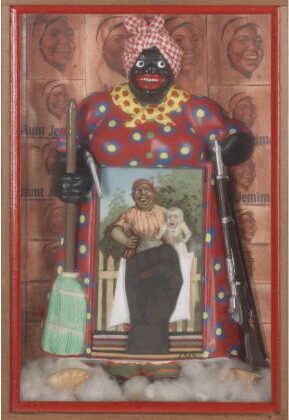
Created in 1972, the assemblage took racist imagery associated with the Aunt Jemima stereotype and transformed the figure into one carrying both a broom and a rifle. Saar later explained that the assassination of Martin Luther King Jr. had awakened anger in her and helped redirect aspects of her work toward political resistance. The piece became one of the defining works of her career.
But while this history was developing, another Betye Saar was at work.
Costume, Theater, and the Art of Making It Work
Following her divorce, Saar needed employment. She went to the Inner City Cultural Center in Los Angeles and sought work in its costume department. The multidisciplinary performing arts organization had emerged following the Watts Rebellion and became an important multicultural theater institution in the city.
Saar had not arrived with an impressive résumé of theatrical productions. According to her own recollection to the Los Angeles Times, when she was asked what shows she had designed, she admitted she hadn’t designed any.
Then came the Betye Saar part:
“I haven’t designed anything, but I can design anything.”
I love that. She got the job.
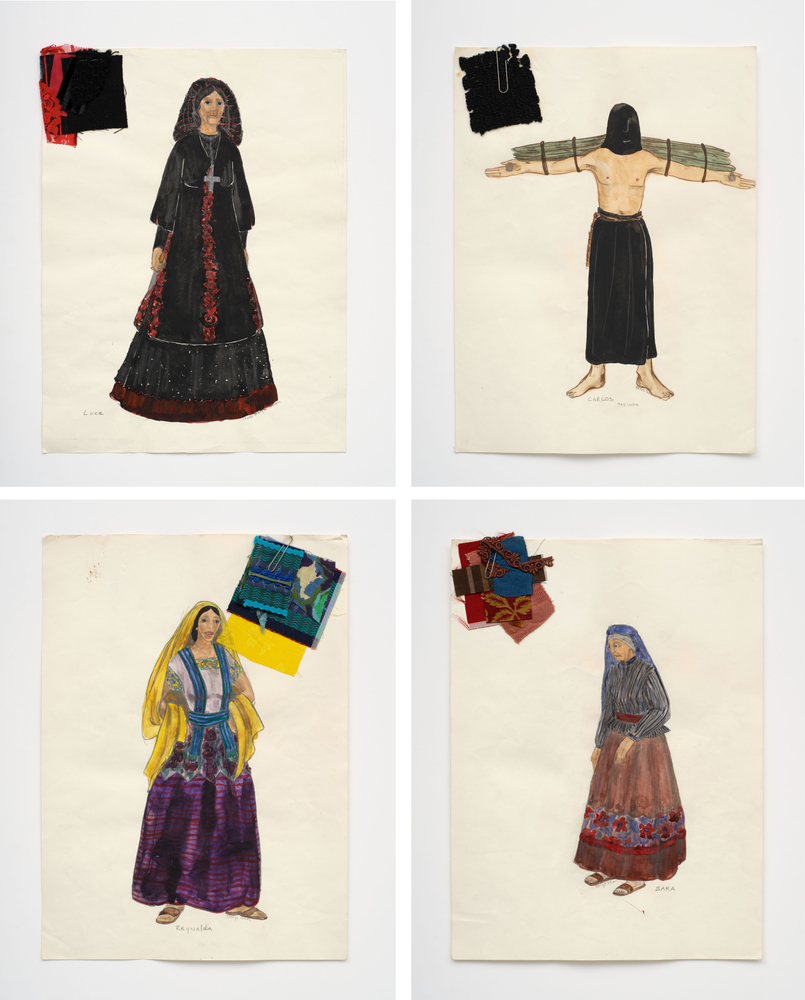
At the Inner City Cultural Center, Saar worked on costumes for productions that included West Side Story, The Gnadiges Fraulein, Burlesque Is Alive, and Antigone. Limited budgets required ingenuity. Secondhand clothing could become raw material. Existing garments could be reconstructed. A costume had to communicate character, but unlike an object destined for a wall or box, it also had to work on a moving human being.
Saar understood the difference.
“I really liked theater and I thought it was a challenge in a way, to have the costume be the visual part of what the character was.”
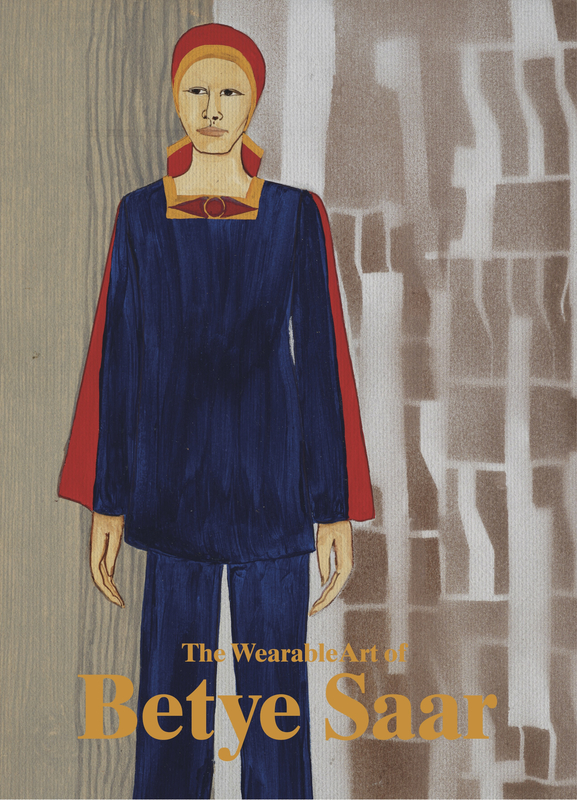
Look at the surviving costume renderings and another connection becomes apparent. These weren’t merely utilitarian instructions for constructing clothes. Saar treated the drawings themselves as compositions. Figures appear against textures, patterns, collaged elements, and backgrounds.
As she explained:
“I liked to make my design sketches like pieces of art.”
And suddenly we are back to assemblage.
That is what makes Let’s Get It On so interesting for AGENDA.
We are not looking at fashion simply because Betye Saar happened to make clothes. We are looking at the exchange between disciplines. Costume required composition, color, texture, character, movement, and resourcefulness. Jewelry brought objects into relationship with the body. Found materials migrated from one purpose to another. Scraps didn’t necessarily remain scraps.
Saar’s wearable pieces are especially revealing. She incorporated leather scraps and found elements into jewelry and accessories, bringing together adornment with the same fascination with materials, construction, and transformation that would become so recognizable in her art.
Nothing seemed required to remain what it had been.
Before Los Angeles, There Was Chicago
The exhibition itself has a history.
Let’s Get It On: The Wearable Art of Betye Saar was first presented at the Neubauer Collegium for Culture and Society at the University of Chicago from January 30 through April 27, 2025.
That exhibition contained more than 60 objects, including Saar’s costumes and jewelry, drawings, photographs, archival material, and a ceremonial robe from Cameroon. The exhibition examined the relationship between Saar’s early costume work, her interest in wearable objects, and her developing assemblage and installation practice.
Critics noticed.
Newcity’s review described an exhibition revealing connections among Saar’s design background, costume making, assemblage, and use of materials. The review paid particular attention to a Bamum chieftain’s robe Saar encountered during a 1974 visit to Chicago’s Field Museum and the effect that encountering such an elaborate wearable object had on her developing work.
A review published by Bridge also examined Saar’s wearable work in conversation with the cultural and artistic environment surrounding it. Saar herself attended the Chicago exhibition, giving the presentation the unusual distinction of revisiting this less familiar part of her career in her presence.
The Los Angeles exhibition is substantially larger. Roberts Projects expanded the project to more than 200 objects, incorporating material from Saar’s archive, private collections, and the Inner City Cultural Center.
And Vogue was there before the doors officially opened.
Writer Ariana Marsh accompanied Saar during her first walkthrough of the Roberts Projects exhibition, along with Saar’s daughter Tracye Saar-Cavanaugh and her longtime gallerist Julie Roberts. Published May 27, Vogue’s “Betye Saar’s Magic Touch” captured something we can no longer witness ourselves: Betye Saar encountering pieces of her own creative past, some enlarged in photographs and gathered together after decades apart.
She didn’t seem particularly interested in turning the experience into a monument to herself.
“I’m the kind of person that lives the moment and then I move on.”
Perhaps that tells us something.
The art world necessarily looks backward. It categorizes. It establishes periods, movements, influences, masterpieces, and legacies. An artist making the work doesn’t necessarily experience a life that way.
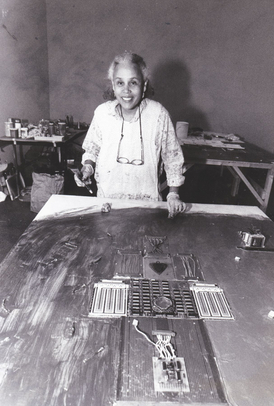
Betye Saar made things.
She designed. She printed. She sewed. She collected. She assembled. She raised three daughters. She worked. She experimented. She saved things other people might have discarded. And she continued creating into her final years.
When MoMA recorded Saar discussing her tendency to save unfinished prints and other materials, she explained that she could always imagine another use for them.
Her conclusion may be my favorite Betye Saar quote of all:
“Don’t worry, one day you’re going to be art.”
What a wonderful way to understand her.
Nearly a Century of Creating
Betye Saar died in her sleep at her Los Angeles home on July 26, 2026. She was 99 years old, four days short of her 100th birthday.
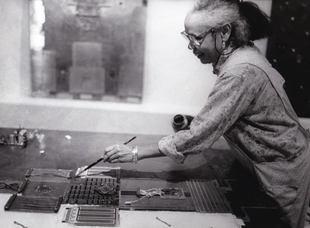
There is an unavoidable sadness in writing about an exhibition conceived in celebration of a centennial its subject almost reached.
But I don’t want to end with the four days she missed.
I’d rather consider the nearly 100 years she had.
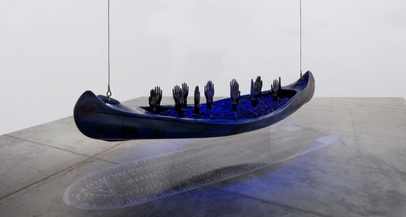
The little girl watching Watts Towers rise from discarded objects. The daughter of a seamstress who learned that if she wanted a dress, she could make one. The designer who discovered printmaking. The mother who needed a job and walked into a theater despite never having designed a show and essentially told them she could design anything. The woman who collected things because she sensed that their usefulness wasn’t necessarily over. The artist who confronted racist imagery rather than looking away from it. The woman who could turn a window into a diary, clothing into character, discarded objects into history, and scraps into art.
Debbie was right.
Betye Saar was incredible.
I wish I had opened that email sooner. But I’m very glad I opened it at all.
And while her exhibition is still here in Los Angeles, we have an opportunity to do something Betye Saar spent a lifetime doing exceptionally well:
Look again.
There may be something there we didn’t see the first time.
Let’s Get It On: The Wearable Art of Betye Saar is on view at Roberts Projects, 442 South La Brea Avenue, Los Angeles, through August 22, 2026.