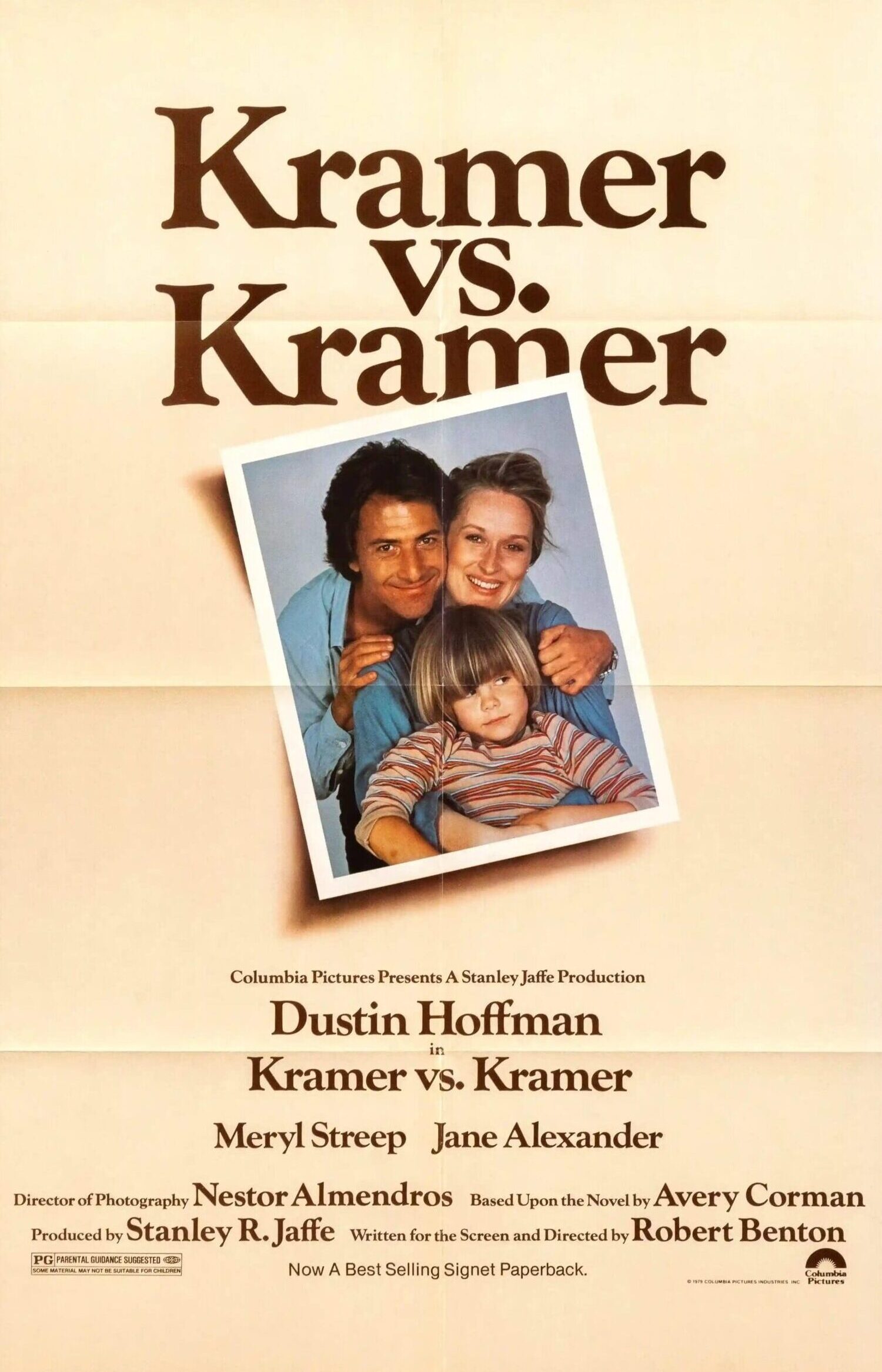
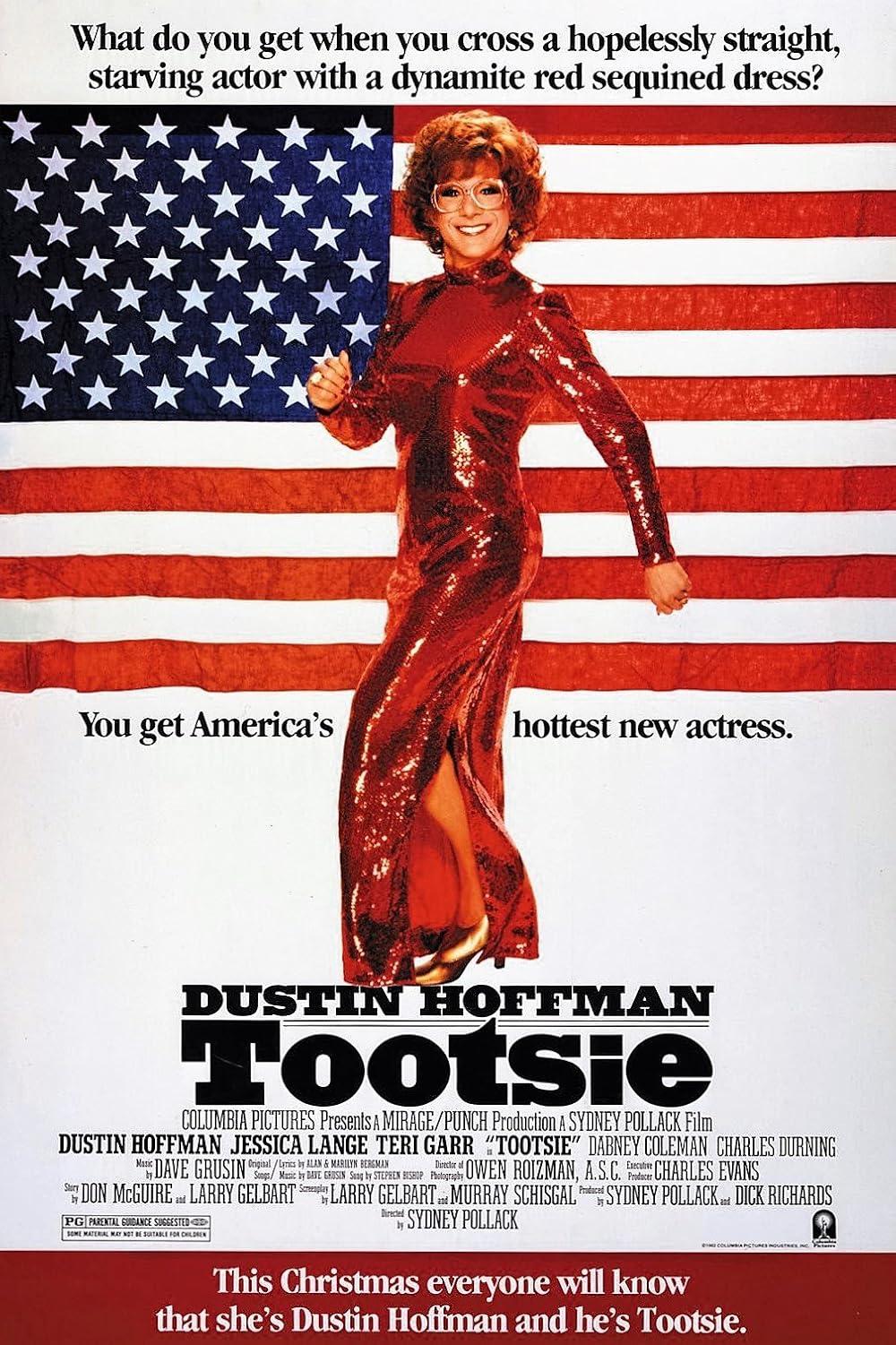
There is something particularly fascinating about an actor who has spent nearly six decades convincing audiences that he is somebody else finally sitting down to tell his own story. In Look at Me, written with acclaimed journalist Ariel Levy, Dustin Hoffman revisits a career that not only transformed his life but helped redefine the American leading man. From his breakthrough performance as Benjamin Braddock in The Graduate (1967) to his Academy Award-winning roles in Kramer vs. Kramer (1979) and Rain Man (1988), Hoffman has consistently demonstrated an extraordinary capacity to find the humanity in his characters. His memoir offers an opportunity to discover what went into creating those performances, and the journey is as entertaining as it is revealing.
One of the great pleasures of Look at Me is revisiting an era of Hollywood through the recollections of someone who helped shape it. Hoffman takes us back to his formative years in New York, when he and fellow aspiring actors Gene Hackman and Robert Duvall were still struggling to establish themselves. Knowing what these three men would eventually accomplish makes their early experiences particularly compelling. Before the Academy Awards, international recognition, and celebrated filmographies, they were simply young actors looking for work. Hoffman’s recollections capture the uncertainty of pursuing a profession that offers few guarantees, and his account of those years should resonate with anyone who has ever risked financial security for a creative ambition.
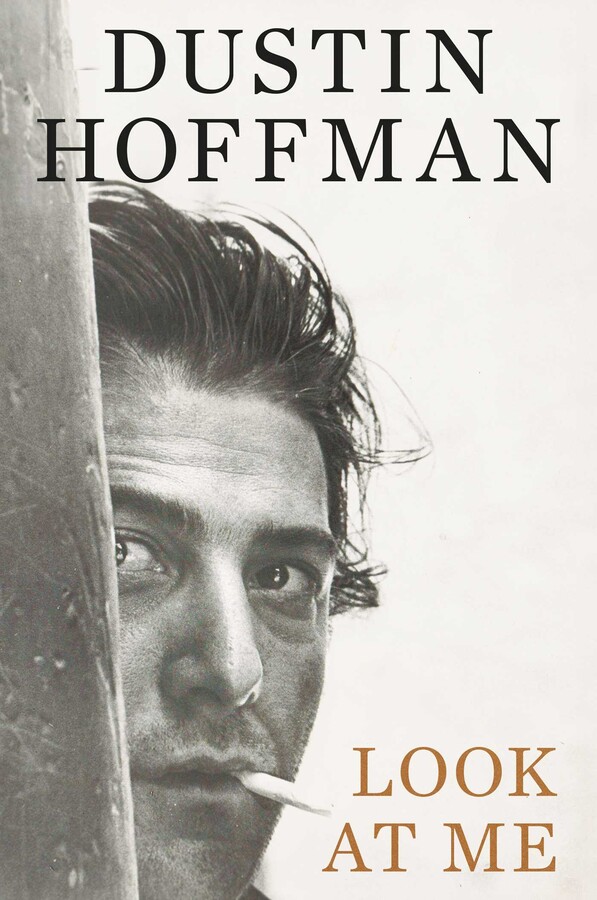
For those who appreciate the art of acting, the memoir is especially rewarding. Hoffman’s reputation as a perfectionist is well documented, but understanding the insecurities that fueled his determination offers a different perspective on his professional temperament. His experiences during the making of Rain Man are particularly illuminating. Despite the conviction of his eventual performance, Hoffman struggled to find Raymond Babbitt and even considered withdrawing from the production. His collaboration with director Barry Levinson helped him navigate those difficulties, ultimately producing one of the most memorable performances in modern American cinema. It is fascinating to consider how close audiences came to being deprived of a portrayal that would earn Hoffman his second Oscar.
Equally interesting is the relationship between Hoffman’s personal experiences and his interpretation of fictional characters. His reflections on his father, whose own Hollywood ambitions never materialized as he had hoped, provide an emotional dimension to Hoffman’s portrayal of Willy Loman in Arthur Miller’s Death of a Salesman. The parallels between his father’s disappointments and Loman’s desperate pursuit of professional validation offer a glimpse into the resources an actor draws upon when bringing a character to life. These are the moments when Look at Me becomes more than a collection of Hollywood anecdotes. It becomes an absorbing account of the creative process, revealing how memories, relationships, insecurities, and even disappointments can become invaluable artistic tools.
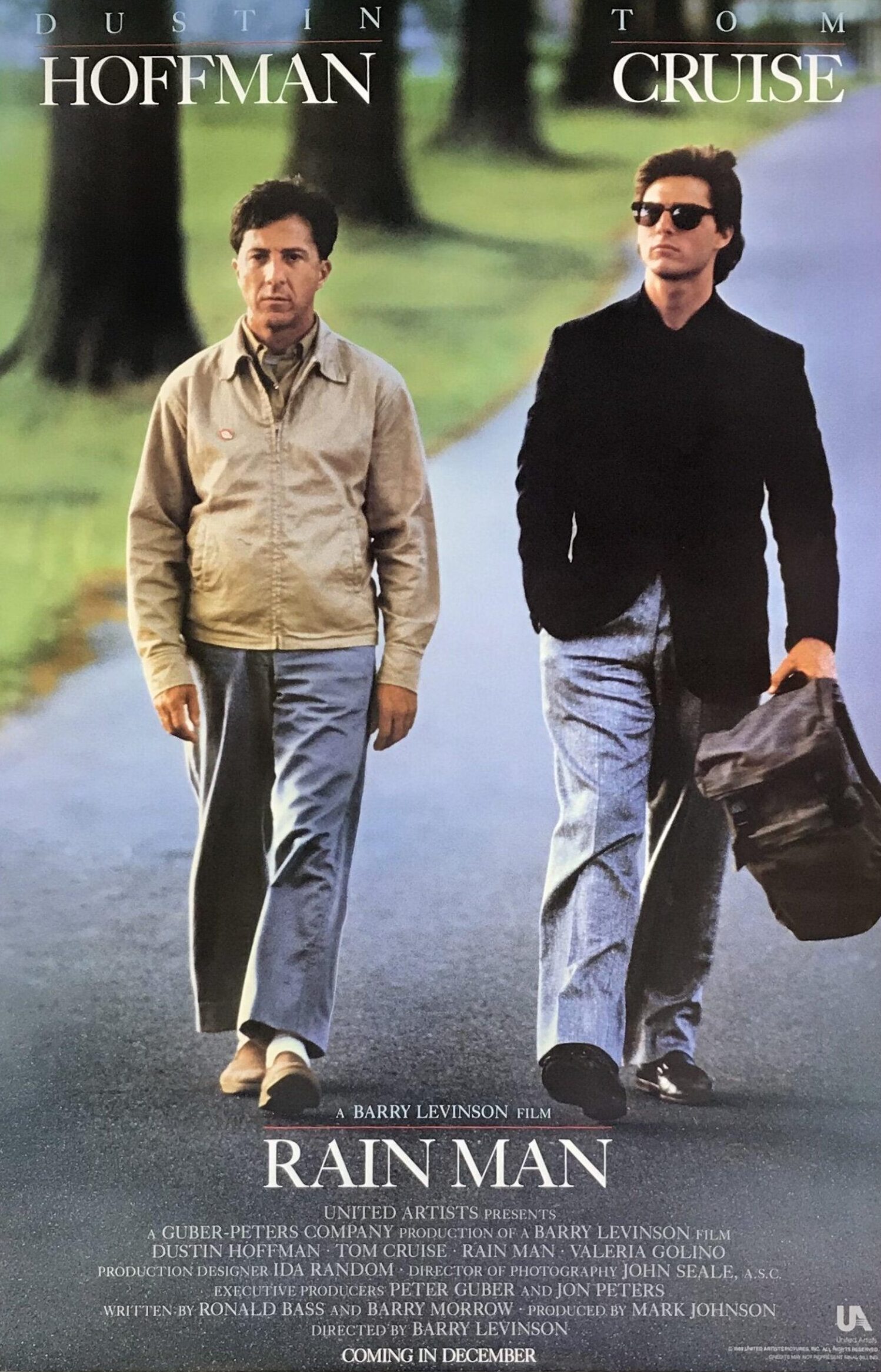
The book’s title originated from an exchange with Laurence Olivier during the making of Marathon Man (1976), when the conversation turned to the fundamental reasons people become actors. The desire to be seen, however uncomfortable it may be to admit, is an intriguing premise for a memoir by someone whose greatest professional achievement has been his ability to disappear into his characters. Perhaps even more surprising is Hoffman’s admission that professional recognition has never entirely alleviated his self-doubt. Despite two Academy Awards, seven Oscar nominations, and an internationally celebrated body of work, criticism has often made a more lasting impression on him than praise. There is something profoundly human about that admission, particularly coming from an actor whose performances have inspired generations of artists.
If there is a frustration with Look at Me, it is that certain recollections are so compelling that one wishes Hoffman had explored them more extensively. The conversational narrative occasionally moves from one subject to another just as a particularly interesting discussion begins to unfold. His treatment of some of the more controversial episodes in his personal history may also leave readers with unanswered questions. These reservations, however, do little to diminish the book’s considerable appeal as an account of an extraordinary professional life.
At 89, Hoffman still possesses an enthusiasm for acting that is refreshing. His curiosity about human behavior, his fascination with the creative process, and his reluctance to retire speak to a man who remains genuinely invested in his profession. For movie enthusiasts, Look at Me offers a wonderful opportunity to revisit some of American cinema’s most celebrated films through the experiences of the man who helped create them. For aspiring actors, it provides valuable insight into the discipline, vulnerability, and perseverance required to sustain a career in the performing arts. And for those of us who have admired Dustin Hoffman’s work for decades, it is an engaging invitation to spend a little time with the man behind those remarkable performances.
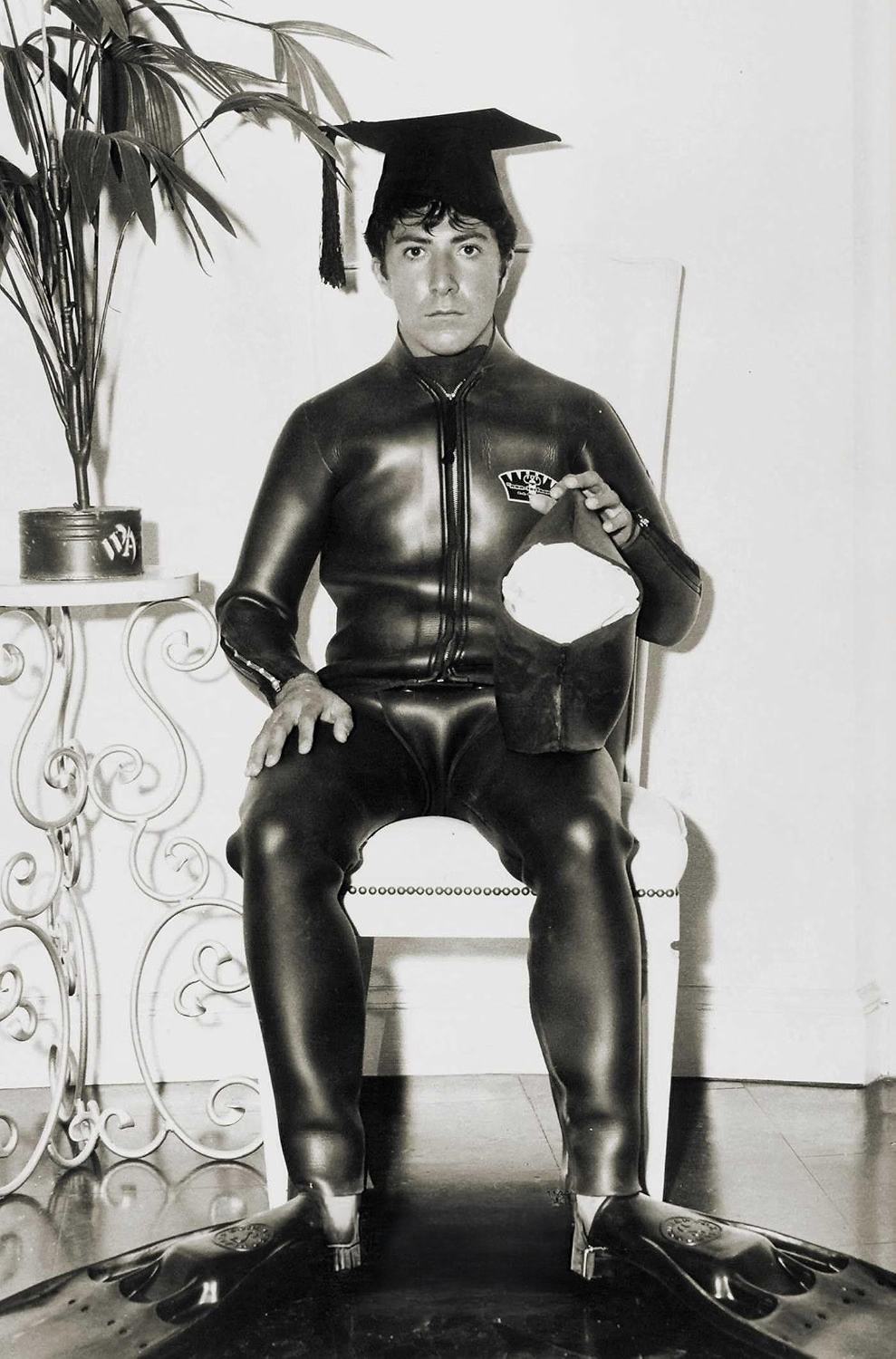
Dustin Hoffman has given us nearly six decades of reasons to look at him. With this memoir, he gives us several more.
Look at Me
Dustin Hoffman with Ariel Levy
Simon Six | November 10, 2026
Hardcover | 320 pages | $35
ISBN: 9781668200698