For years, fashion has been served to us in increasingly smaller portions. We went from seasons to trends, from trends to microtrends, and finally from microtrends to aesthetics that could appear, peak, become embarrassing, and disappear before the clothes ordered to participate in them had even arrived. Quiet luxury. Mob wife. Clean girl. Coquette. Old money. Tomato girl. Office siren. Each arrived with its own costume, vocabulary, shopping list, and expiration date. Fashion, once capable of reflecting a lifetime of references, had been compressed into something that could be explained in a fifteen-second video. Something, however, appears to be changing. Fall 2026 is offering an intriguing counterargument to fashion’s relentless appetite for the next thing. The message emerging from the runways is not that there are no trends. There are always trends. It is that some of the most interesting designers seem considerably less interested in dictating a single uniform than in demonstrating what can happen when clothes are placed in the hands of someone with a point of view.
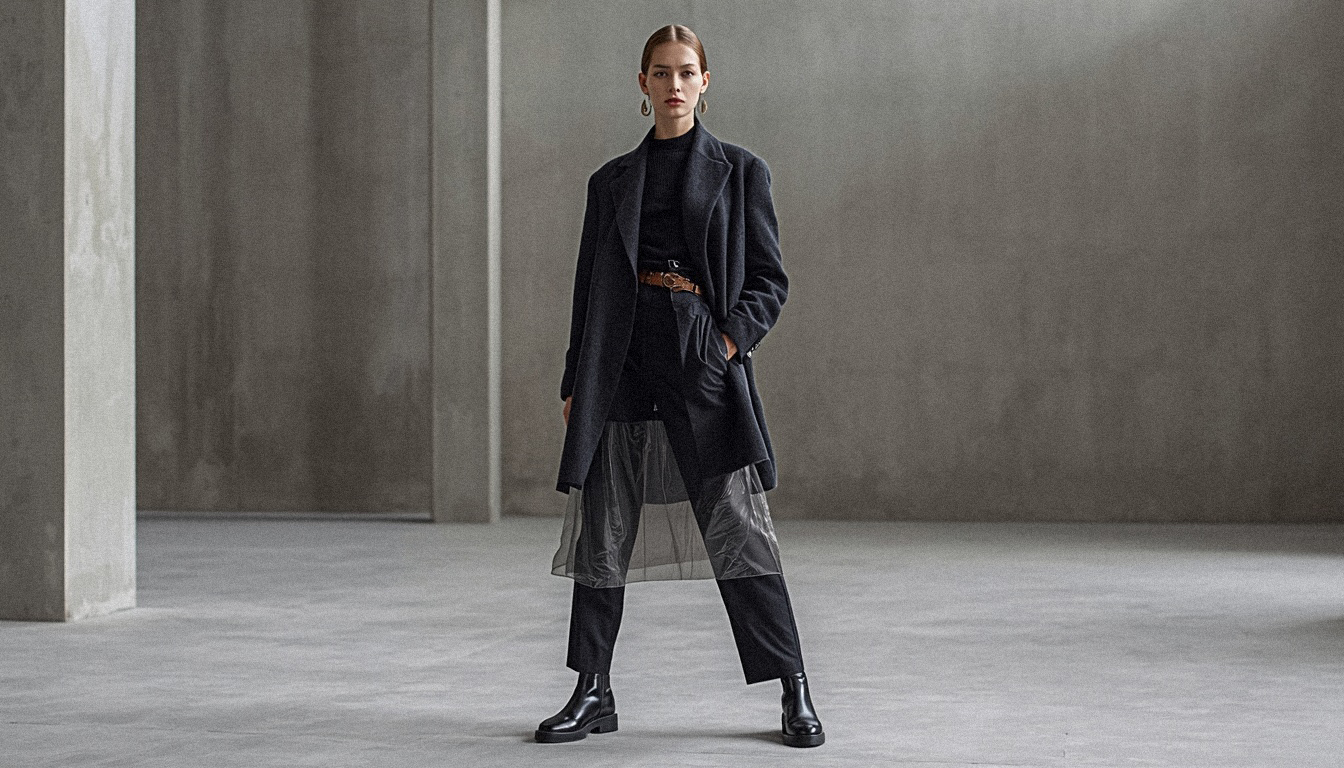
At Prada, the emphasis this season has been repeatedly described through styling rather than acquisition. Familiar garments were reconsidered through layering, proportion, unexpected combinations, and transformation. The idea is deceptively simple: perhaps the cardigan, jacket, skirt, or shirt already hanging in the closet has not exhausted its possibilities. Perhaps we have. That distinction matters because fashion has spent the social-media era teaching consumers to identify style through objects. Buy the shoe. Buy the bag. Buy the viral jacket. Copy the photograph. Assemble the pieces correctly, and an identity supposedly follows. But personal style never worked that way. The beautifully dressed woman walking down the street fifty years ago was not waiting for an algorithm to tell her which aesthetic she belonged to. She accumulated references, experimented, made mistakes, repeated herself, learned her proportions, discovered what made her feel extraordinary, and eventually developed something much harder to sell through an affiliate link: an eye.
“Mode passes; style remains.”
— Coco Chanel
Chanel made that observation in 1965, long before an algorithm could deliver thousands of versions of the same look to millions of women simultaneously, but the distinction between fashion and style has become remarkably relevant again. Sarah Burton’s Fall 2026 Givenchy collection was conceived around the individuality of the women wearing it, with each silhouette treated as its own character. At Alaïa, Pieter Mulier has similarly spoken about clothes for real people rather than clothing created merely for an image. Across Fall 2026, designers have repeatedly returned to ideas of personality, reality, feeling, craftsmanship, utility, and freedom. These are not identical design philosophies, nor should they be. Together, however, they suggest a meaningful change in mood: the clothes are no longer required to do all of the talking because the wearer has been invited back into the conversation.
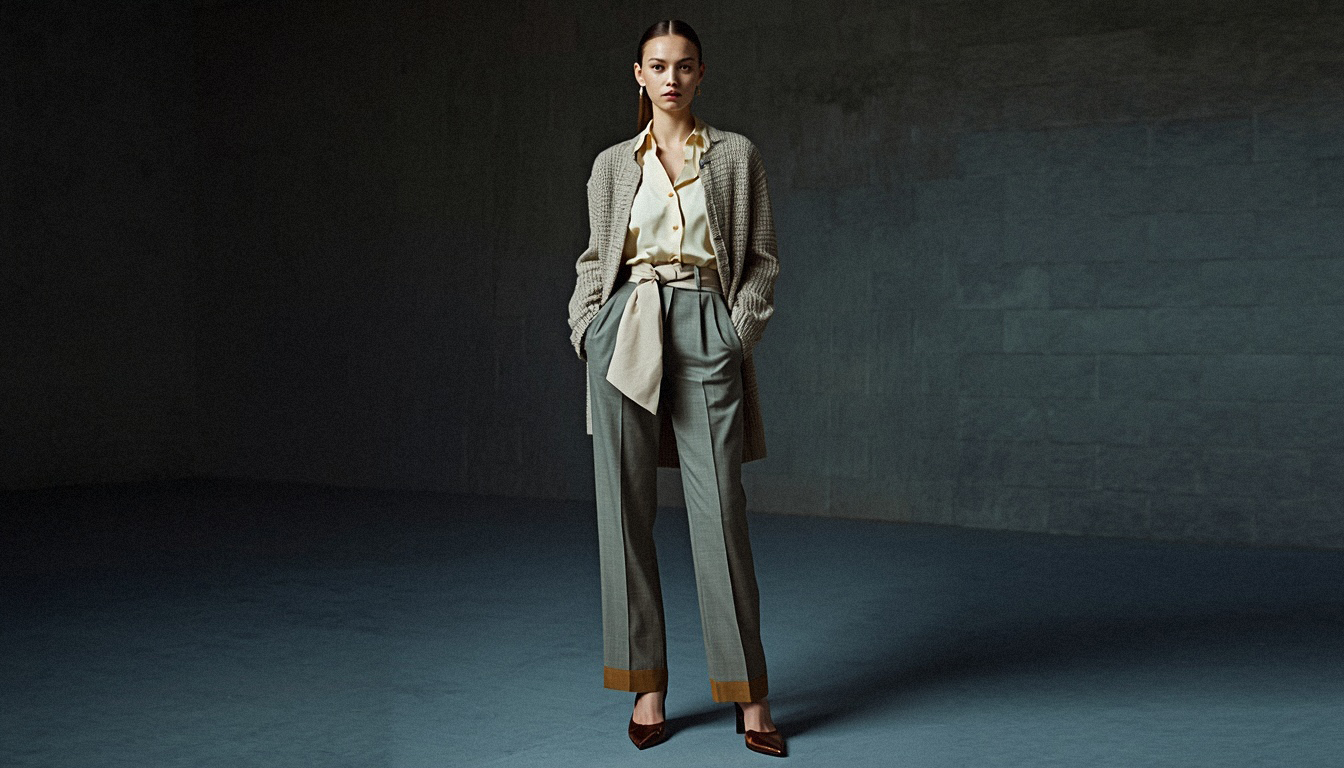
That may sound absurdly obvious. Who else, after all, has been wearing the clothes? Yet digital fashion culture gradually changed the relationship between clothing and identity. Instead of asking, How would I wear this?, consumers were increasingly shown precisely how an item should be worn, which other pieces belonged beside it, which celebrity had validated it, what the resulting aesthetic was called, and approximately how long everyone had before the Internet declared it finished. We stopped being dressed and began being formatted. As The Guardian recently reported, the summer’s viral “kinda chic” phenomenon has spread rapidly across social media, with Google searches for the term reportedly increasing 5,000 percent. Its almost instantaneous replication offers a revealing example of where this process eventually leads. One person makes an observation, thousands reproduce its structure, brands arrive, and something that began as individual expression becomes a recognizable template.
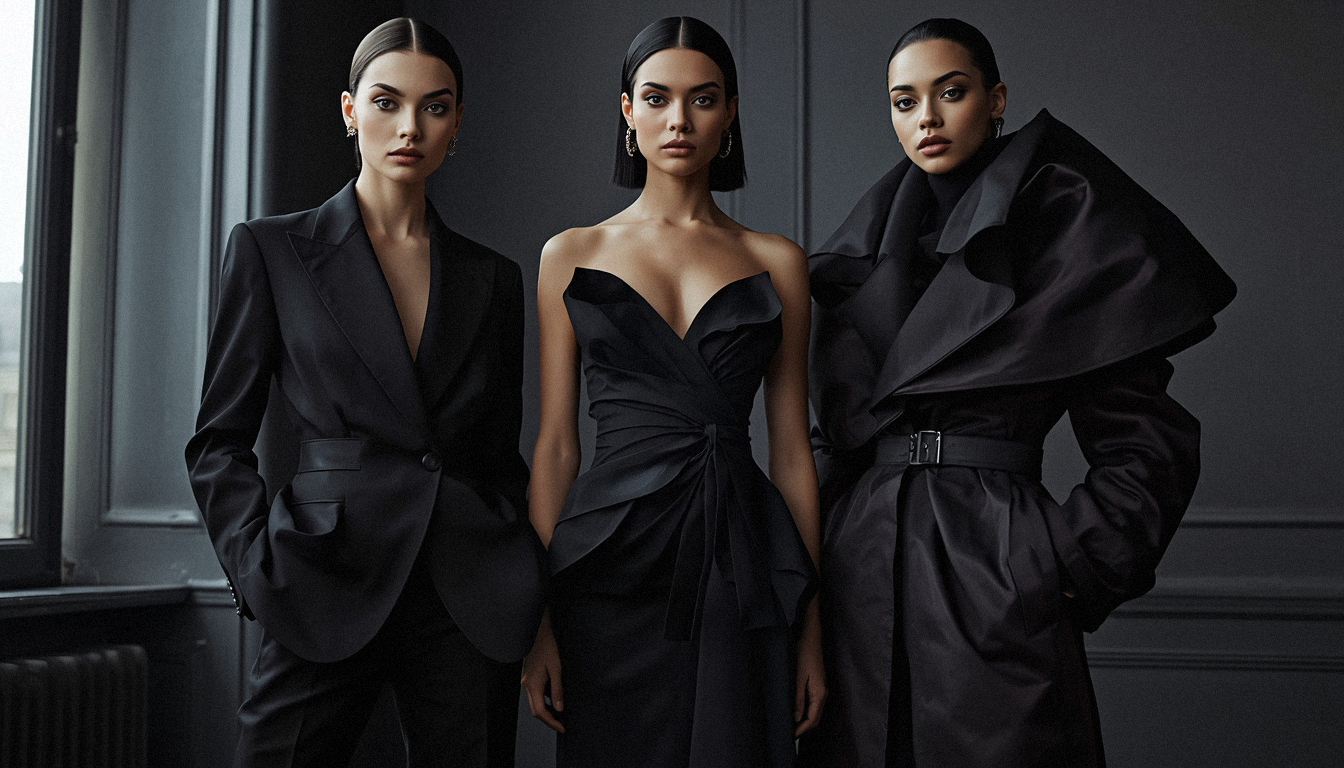
Fashion itself has operated similarly, which is why the current interest in personal styling is more significant than another forecast announcing the return of opera gloves, dropped waists, oversized collars, sheer layers, or a particular shade of red. Those things may all be present for Fall 2026, and many are delightful, but the more compelling development is that they can coexist. Minimalism and theatricality, tailoring and transparency, utility and glamour, vintage references and severe modernity, color and restraint can occupy the same fashion conversation without requiring every woman to become the same character. There is no single woman everyone is being instructed to become, and that is a welcome development because women are not seasonal concepts. Nor should a wardrobe need to undergo an identity crisis every six months to prove that its owner understands fashion.
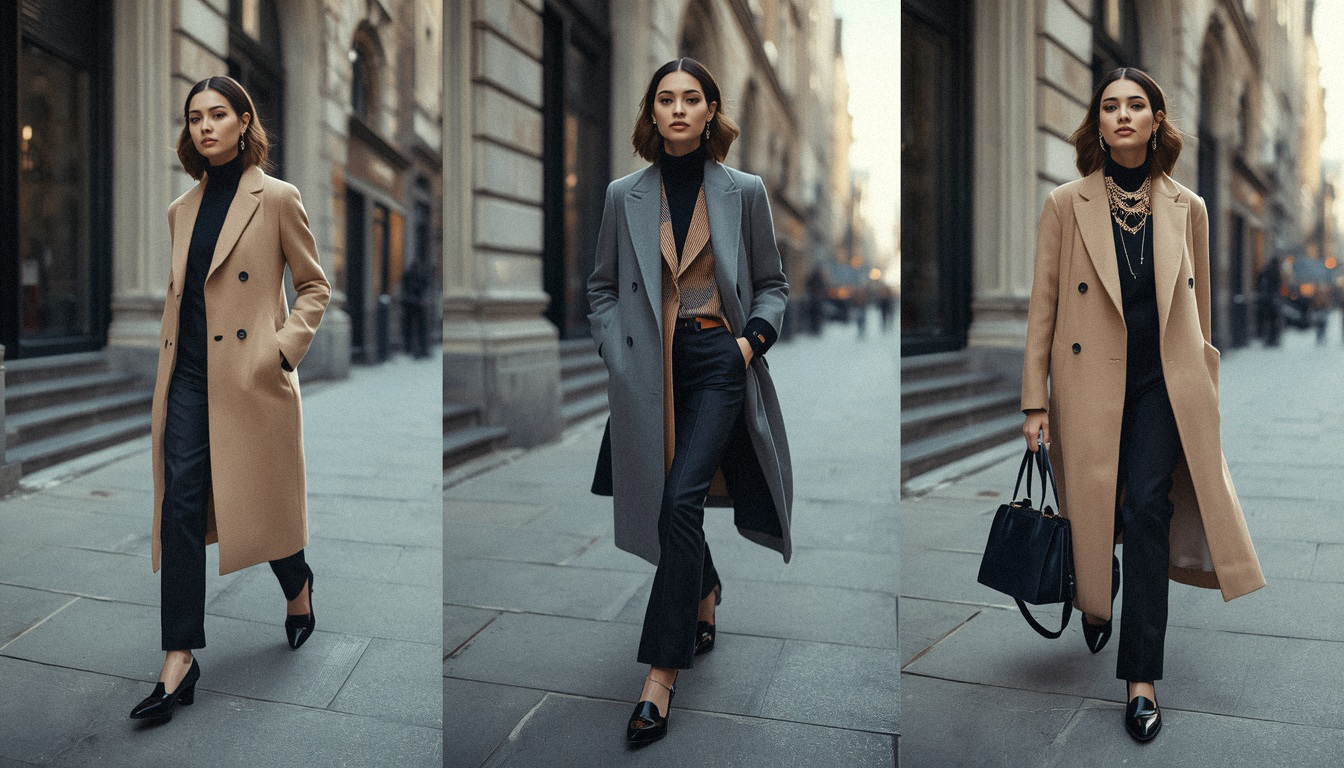
“You have to know who you are and then work at it.”
— Iris Apfel
Apfel’s observation gets to the heart of what the microtrend cycle frequently misses: style requires self-knowledge. There is also an economic intelligence to rediscovering that idea. A culture built entirely around novelty eventually collides with reality. Closets are full. Consumers are fatigued. Prices have risen. Sustainability conversations have made disposable consumption harder to ignore. Vintage and resale have normalized the idea that yesterday’s garment may be more desirable than today’s new arrival. Meanwhile, the endless online acceleration of fashion has produced a peculiar contradiction: the faster trends move, the less authority any single trend possesses. If everything is urgently “in,” very little can remain important for long. Personal style operates according to an entirely different clock because it allows repetition, and repetition may be one of the more radical ideas in fashion right now.
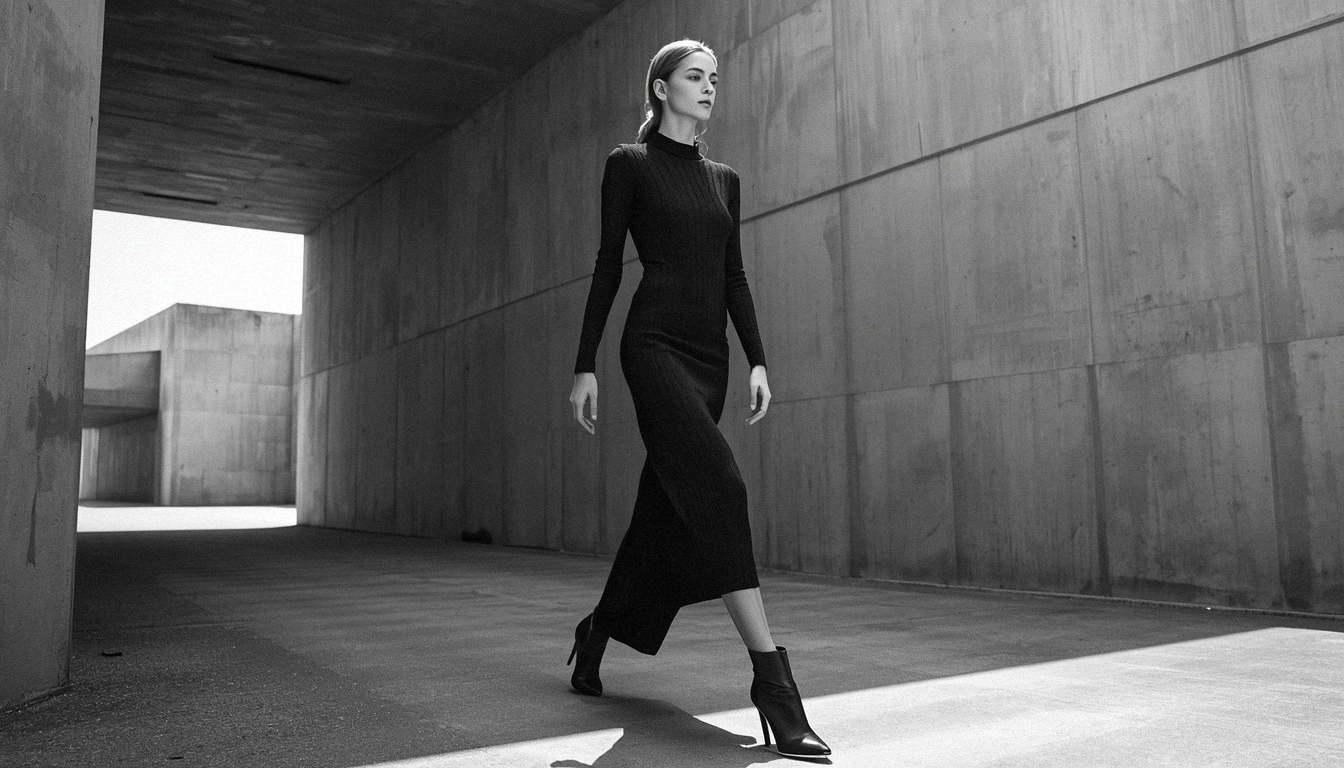
“My house, from the beginning, was meant to be a temple of elegance and joy.”
— Christian Dior
Christian Dior’s idea reminds us that fashion’s highest purpose was never simply to facilitate consumption. It could create fantasy, beauty, transformation, pleasure, and even an environment in which a person might imagine herself differently. The irony of algorithmic fashion is that technology has become extraordinarily good at predicting what we are statistically likely to want while becoming increasingly capable of surrounding us with versions of things we have already seen. Artificial intelligence can identify purchasing behavior. Platforms can predict which image will attract attention. Retailers can recommend the next object based on the last one clicked. Social media can expose millions of people to the same shoe before breakfast. But anticipation is not imagination. An algorithm may know what you are statistically likely to want; it cannot decide who you might become after discovering something you never knew existed.
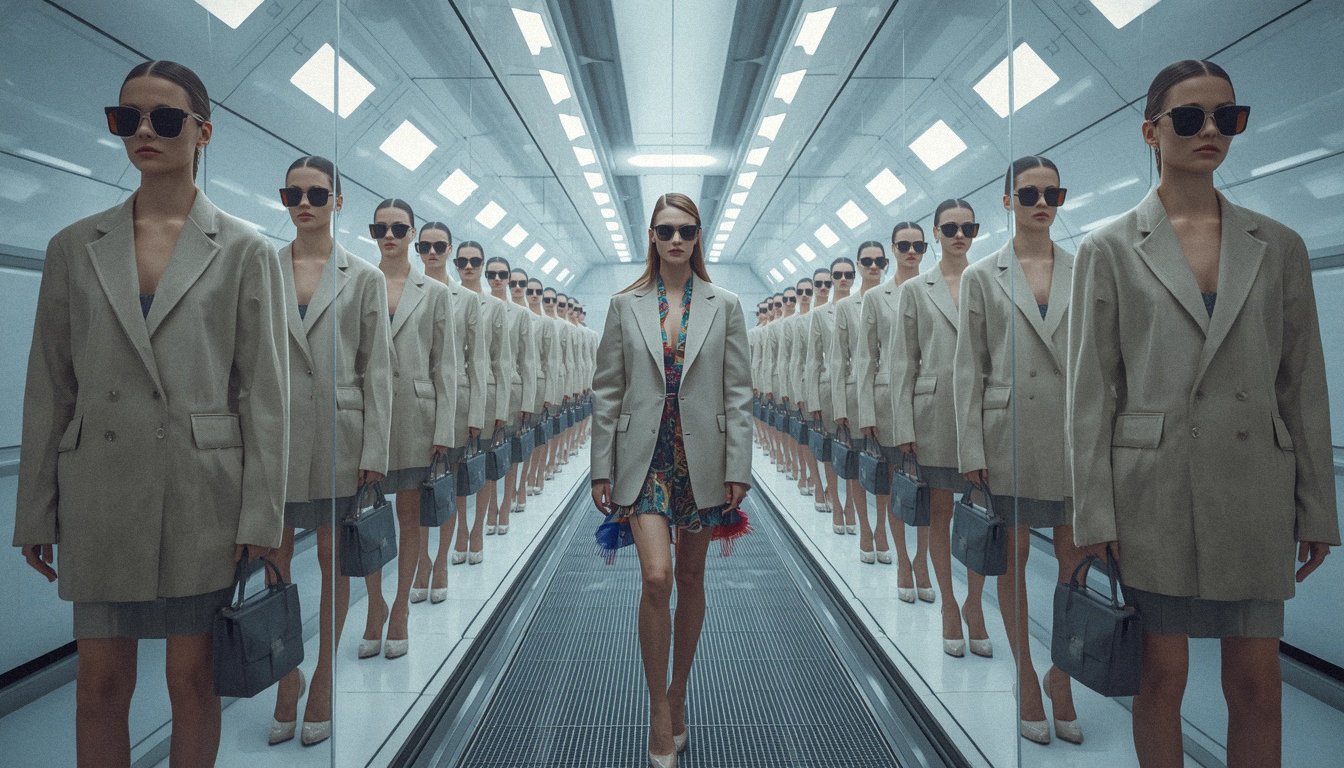
That discovery once belonged to fashion magazines, boutiques, designers, stylists, travel, music, cinema, art, subcultures, strangers on the street, mothers’ closets, thrift stores, nightclubs, and the occasional beautiful mistake. Style developed through exposure and editing. One absorbed thousands of influences and eventually discarded most of them. What survived became personal. That process took time, and time may be the ingredient fashion has been missing. This is not nostalgia or an argument for returning to some supposedly superior era. Fashion has always borrowed, copied, rebelled, recycled, and contradicted itself, and pre-digital fashion was hardly free from conformity; entire generations can be identified by the silhouettes they collectively adopted. The difference is velocity. A trend once had enough time to be interpreted. It traveled from runway to editorial, from editorial to retail, and from retail to the street, changing slightly at every stop. The woman wearing it became part of its evolution. Social media shortened that journey to almost nothing. The runway photograph can now reach the consumer before the model has removed the garment backstage. Inspiration and imitation can occur within minutes of one another. That is efficient. It is not necessarily stylish.
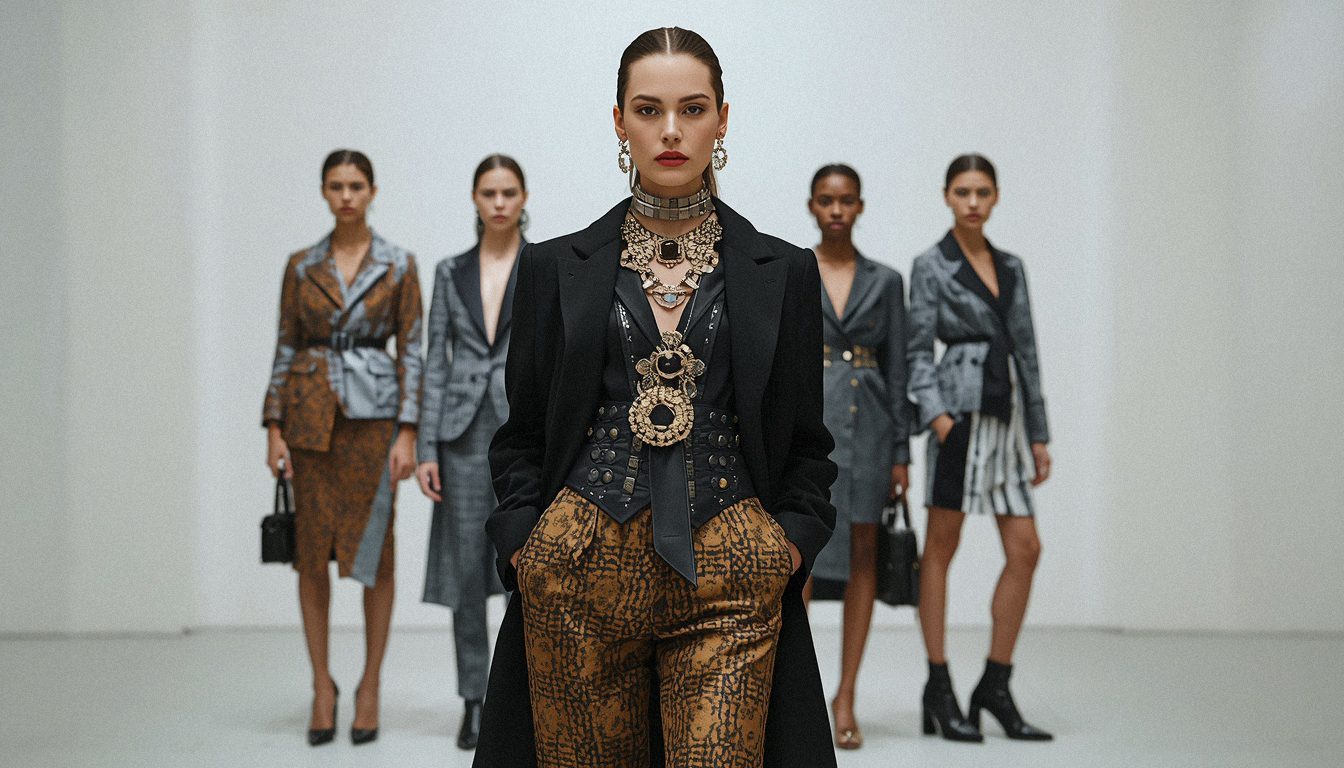
“Style is wearing an evening dress to McDonald’s, wearing heels to play football. It is personality, confidence and seduction.”
— John Galliano
Galliano’s wonderfully irreverent definition works because style requires a little friction. It needs the wrong belt tried with the right dress, something expensive beside something cheap, the vintage coat whose provenance no one can identify, the earrings bought on a trip twenty years ago, the trousers altered because the fashionable length looked ridiculous on your body, and the shoe you continue wearing after the Internet has announced that nobody should. Style is rarely produced by following every instruction correctly. Most of all, it requires discrimination—not in the social sense, but in its original one: the ability to distinguish, to choose, and to reject. Taste cannot exist without rejection because knowing what belongs to you also requires knowing what does not.
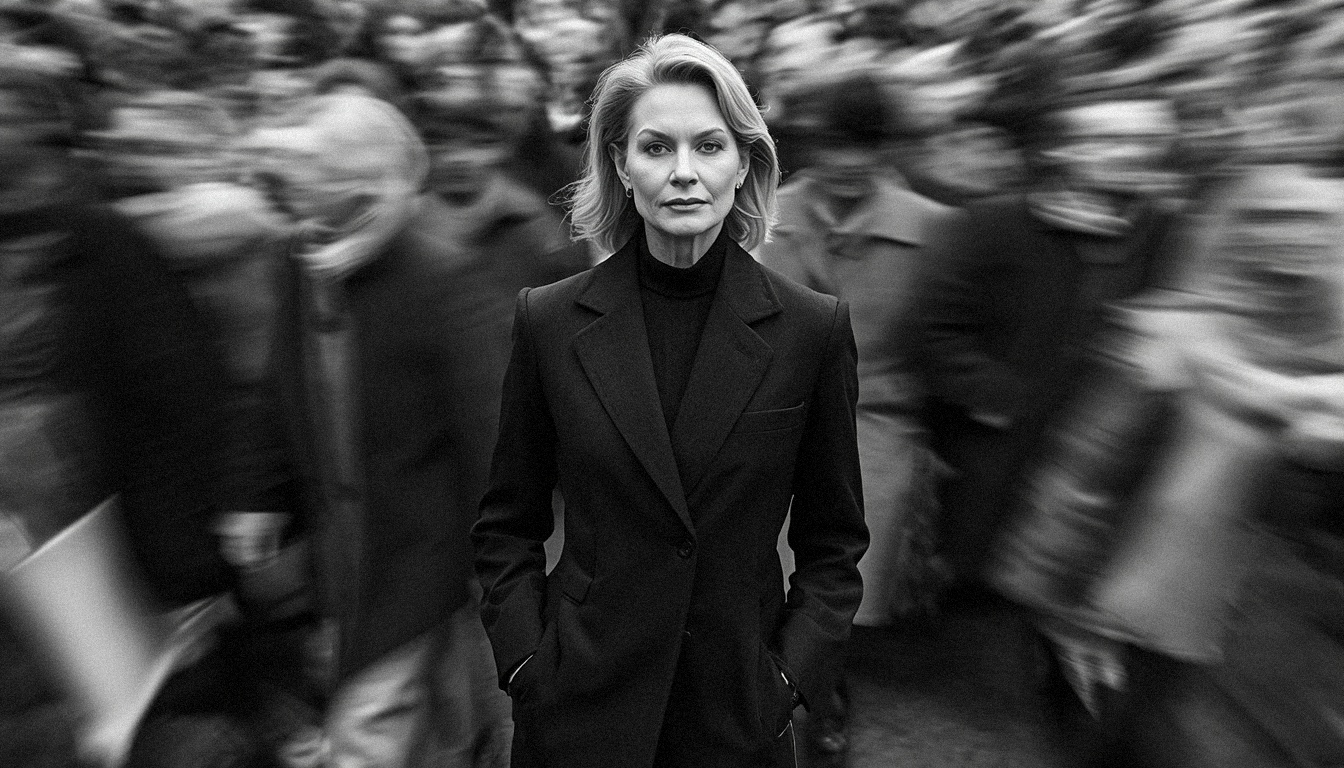
That may ultimately be the real fashion story of 2026. It is not the death of the trend, because trends are not dying. It is not the death of the influencer, because influence is as old as fashion itself. And it certainly is not the death of shopping. What may be dying is the assumption that relevance requires obedience. The Fall 2026 wardrobe is giving women plenty to choose from, but some of its most interesting collections are withholding the final instruction. The garment is presented and the possibilities are demonstrated, but then something unusual happens: the wearer has to finish the sentence. Perhaps the next era of fashion will belong not to the woman who can identify every trend, but to the woman who knows which ones have absolutely nothing to do with her. She already owns the most difficult thing to acquire: a point of view.