There is a moment in almost every athlete’s life when a game stops being something she plays and becomes something she can imagine becoming. For one girl, it happens the first time she makes a basket in a crowded gym; for another, it is the first time a coach recognizes something in her that she has not yet recognized in herself. It might happen after a loss, when she discovers that disappointment does not have to mean defeat, or it might happen from the stands, watching a woman do professionally what generations of girls before her were rarely encouraged to imagine as a viable future. That is the larger significance of the WNBA at this extraordinary moment in women’s basketball. The packed arenas, television audiences, viral highlights, signature shoes, jerseys, endorsements, fashion campaigns, and increasingly recognizable stars tell only part of the story. Something deeper is happening beneath the spectacle: girls are seeing women compete at the highest level of basketball and discovering not only heroes, but a destination. Women’s basketball is no longer asking people to notice it. People are watching.
Top 5 Ranked WNBA Players in 2026
1. A’ja Wilson, 2. Caitlin Clark, 3. Napheesa Collier, 4. Alyssa Thomas, 5. Breanna Stewart
What Sports Give a Girl
Long before professional contracts and roaring arenas, organized sports can become one of childhood’s great classrooms. A young athlete learns that improvement requires repetition and that talent alone will not carry her through every competition. She learns how to function as part of a team while remaining accountable for her individual performance. She learns to listen, lead, lose, recover, compete, and try again. She discovers the relationship between preparation and confidence and, perhaps most importantly, that failure on Tuesday does not prevent victory on Friday. These lessons have value regardless of whether the child eventually becomes a professional athlete. The discipline required to train, the emotional control required to compete, the ability to accept coaching, and the resilience necessary to return after a loss can follow an athlete long after she leaves the court, track, field, or gymnasium.
AGENDA confronted the importance of girls’ athletics directly more than a decade ago. In 2012, Editor-in-Chief Kaylene Peoples wrote about girls’ gymnastics at Woodrow Wilson High School in Long Beach, California, where her stepdaughter, Nicole, competed. The gymnastics program was in jeopardy. Its training room was threatened, as was the position of longtime coach Steven Marion, and parents, athletes, and supporters rallied around a program that had become far more to those girls than an extracurricular activity. Peoples brought her own competitive athletic background to the story. Her experience did not end in junior high school; she competed through high school and college and within the United States Tennis Association (USTA). She understood firsthand the discipline of training, the psychology of competition, the frustration of losing, the exhilaration of winning, and the development that occurs between those two extremes. Watching her stepdaughter and the other gymnasts added another dimension. There were victories and defeats, award banquets, and emotional testimonies from young women about what their experiences on the team had meant to them. What was threatened was not simply equipment in a room or a line in a school budget. It was community, mentorship, discipline, friendship, competition, and a place where girls were discovering what they were capable of becoming.
AGENDA published the story, accompanied by competition photography from Arun Nevader, making the case for why the program and its coach mattered.
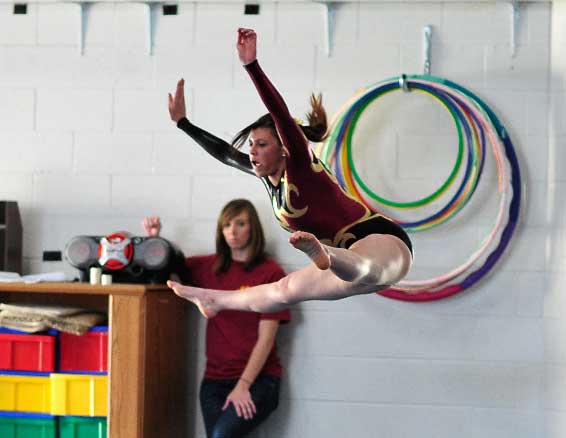
The program survived, and Peoples was subsequently publicly recognized by the coaches for the role AGENDA’s coverage played in helping preserve it. Coach Marion’s words in that original interview remain remarkably relevant 14 years later. Asked what he would tell a young person considering gymnastics or another sport, his answer was wonderfully uncomplicated: “Go for it. Do it.” Marion explained that how far an athlete ultimately travels in a sport matters less than what she gains while participating, how much she loves the experience, and what she learns from it. Having suffered devastating knee injuries during his own athletic career, Marion nevertheless said he would not have traded the experience. His final advice was equally simple: “Don’t be afraid to follow your heart.” And on the fundamental question of whether girls really wanted serious athletic competition, Marion was unequivocal: “Girls want to compete just like anybody else.” Those words were spoken in 2012. Today, the WNBA is demonstrating their truth before millions.
When the Heroes Become Real
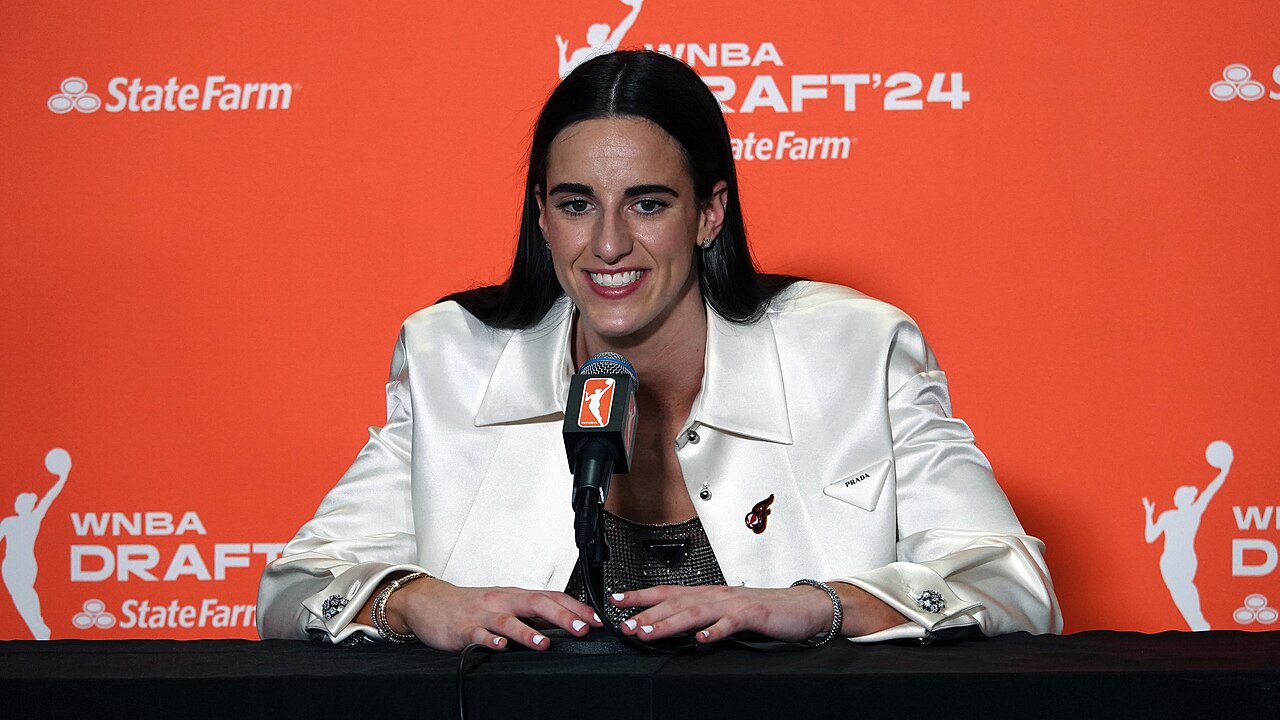
(Photo: JazzyJoeyD)
For a girl discovering basketball today, the professional game offers something previous generations possessed in far smaller measure: an expanding roster of women whose careers she can actually follow. Caitlin Clark is perhaps the most obvious example. Her extraordinary shooting range, passing, and court vision have made her recognizable far beyond traditional basketball audiences, and the phenomenon surrounding her has become powerful enough to influence attendance, television audiences, merchandise sales, and the broader cultural visibility of women’s basketball. But Clark’s significance to girls cannot be measured merely in statistics or ticket sales. Girls imitate the long-range shots. They wear the jerseys. They study her passing. They know the numbers. They argue about the games. Most importantly, they are watching a woman command the kind of sports attention once overwhelmingly reserved for male professional athletes. For a child holding a basketball, seeing that level of attention directed toward a female player changes the boundaries of what she understands to be possible.
Clark is hardly alone. A’ja Wilson represents sustained excellence at the highest level while deliberately turning her visibility back toward the girls following behind her. As a Jr. WNBA Global Ambassador, Wilson has spoken about basketball as a means of helping girls establish goals, consider future careers, and simply discover a love for the game. Her message to young athletes is beautifully direct: “If you can see her, you can be her.” Wilson has explained that being physically present around young girls can itself communicate something powerful: the superstar they see on television was once a girl like them, and her success does not have to represent an unreachable world; it can represent possibility. Wilson herself once watched established WNBA players from a distance before eventually finding herself competing against women she had admired, a transition she once described with the memorable observation, “Your idols become your rivals.” That is how generations are created.
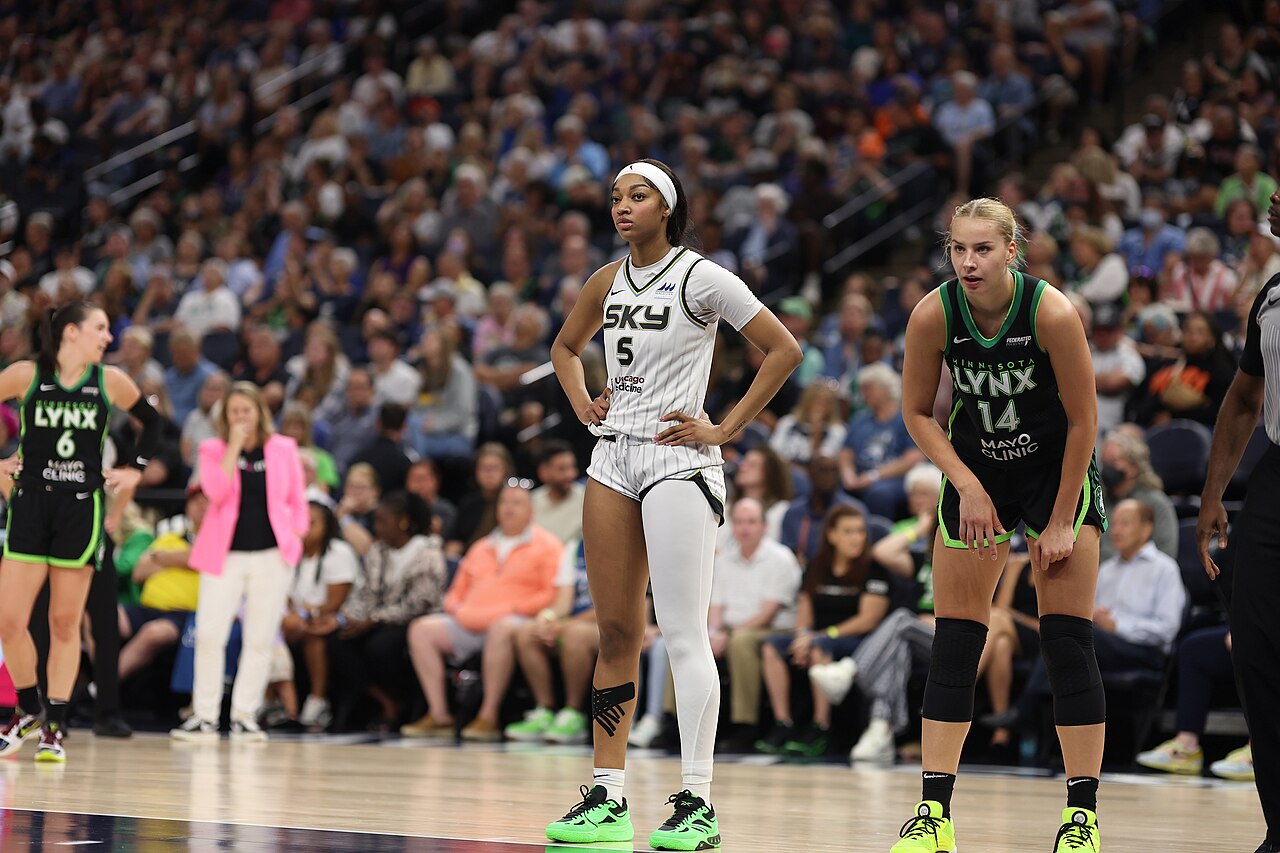
Angel Reese brings another kind of visibility: relentless rebounding, competitiveness, personality, entrepreneurial ambition, and an understanding that professional athletes possess influence extending beyond a scoreboard. Reese has said, “As strong female athletes, we can use our platform to set an example for young players coming up in the sport.”
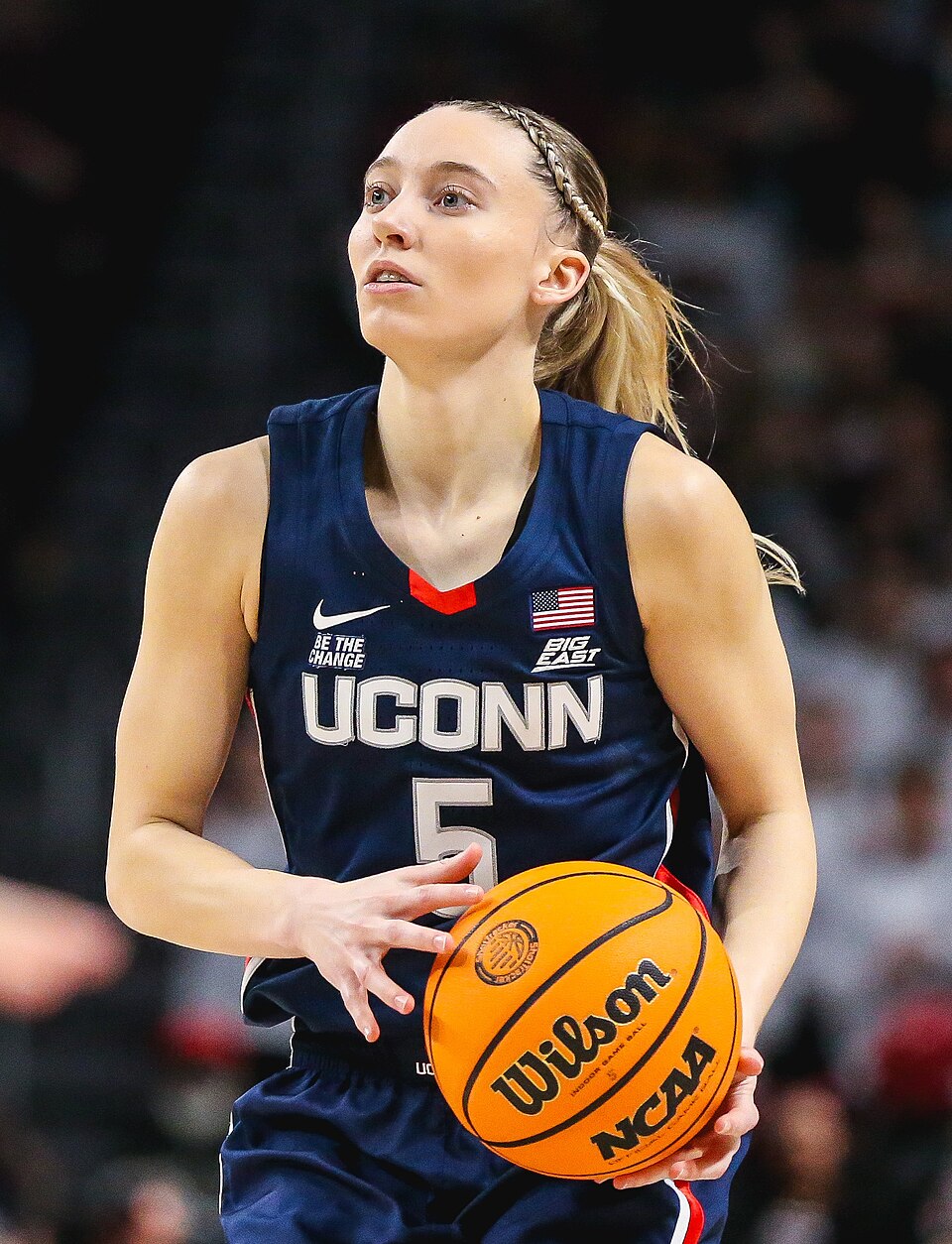
Paige Bueckers presents still another model, combining athletic ability with extraordinary court awareness and an ability to anticipate movement and create opportunities before they fully develop. Her journey from celebrated collegiate player into the professional ranks gives girls another career to watch unfold.
Sophie Cunningham represents something different again: physicality, toughness, resilience, personality, and a willingness to speak publicly even when doing so places her at the center of controversy.
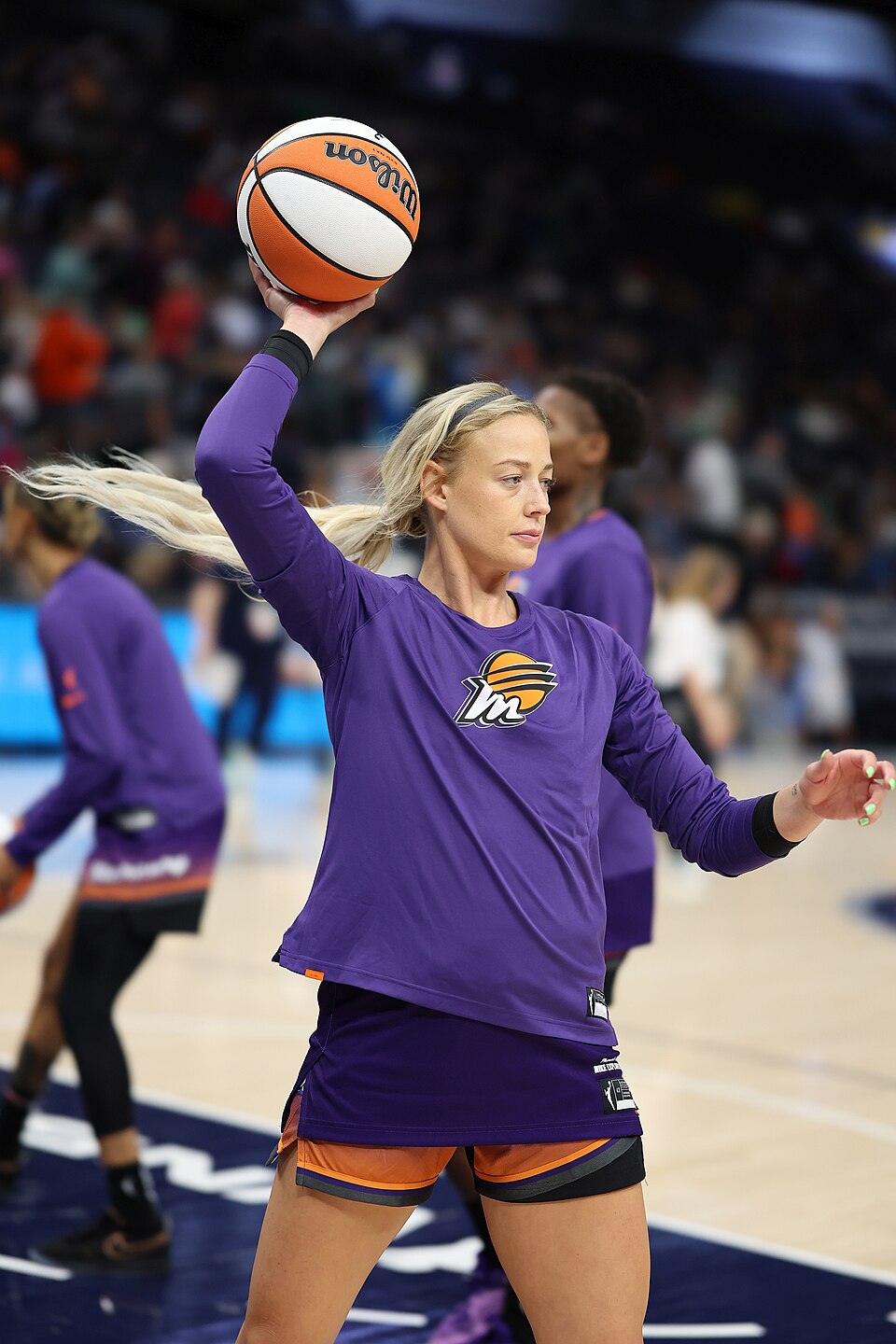
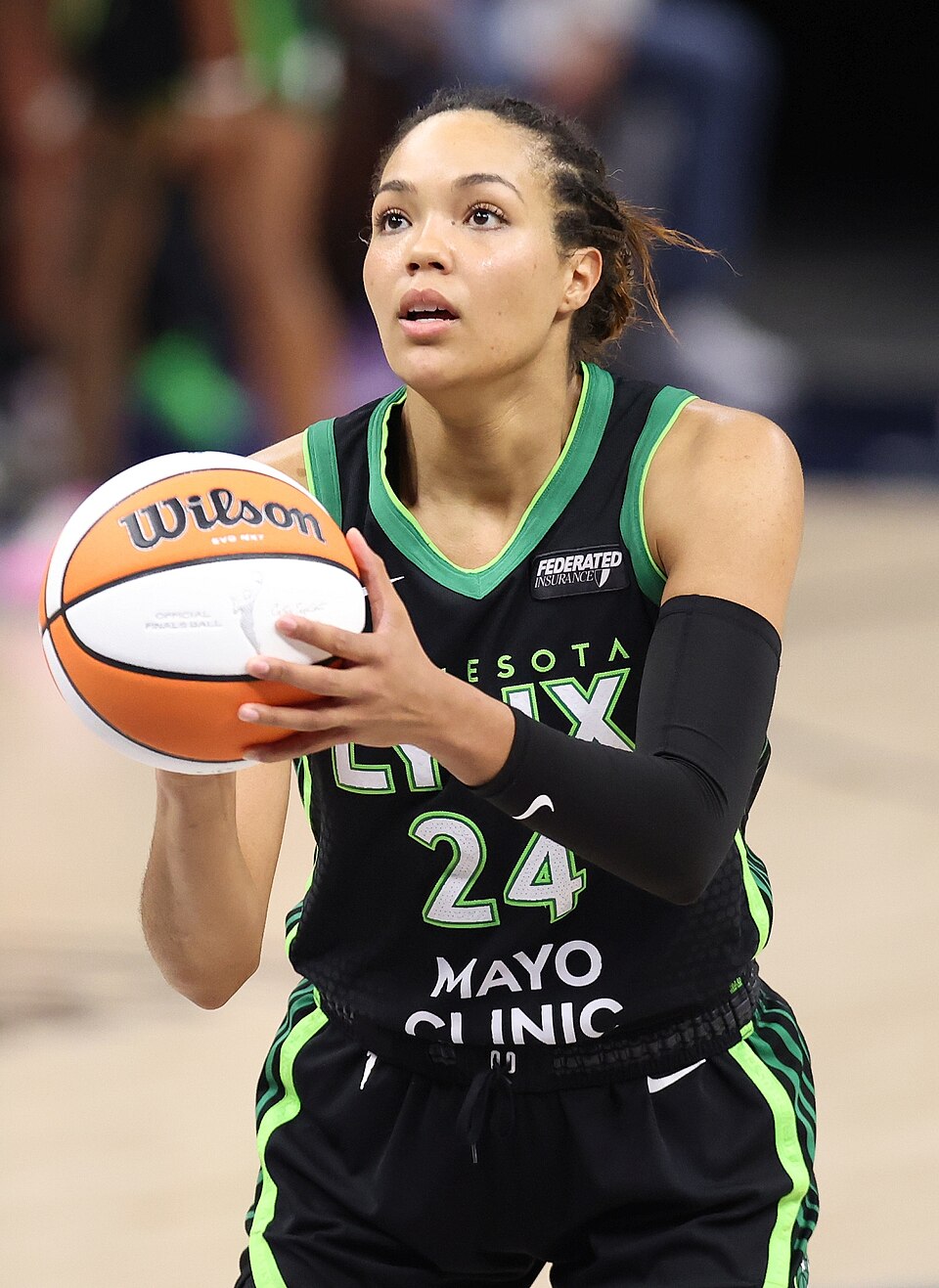
There are also Napheesa Collier, Sabrina Ionescu, Breanna Stewart, and an expanding collection of women whose individual playing styles and personalities give young fans choices about whom they admire. Different women, personalities, games, styles, and opinions matter because a girl should not be presented with only one acceptable model of what a female athlete is supposed to look like, sound like, dress like, believe, or how she is supposed to play.
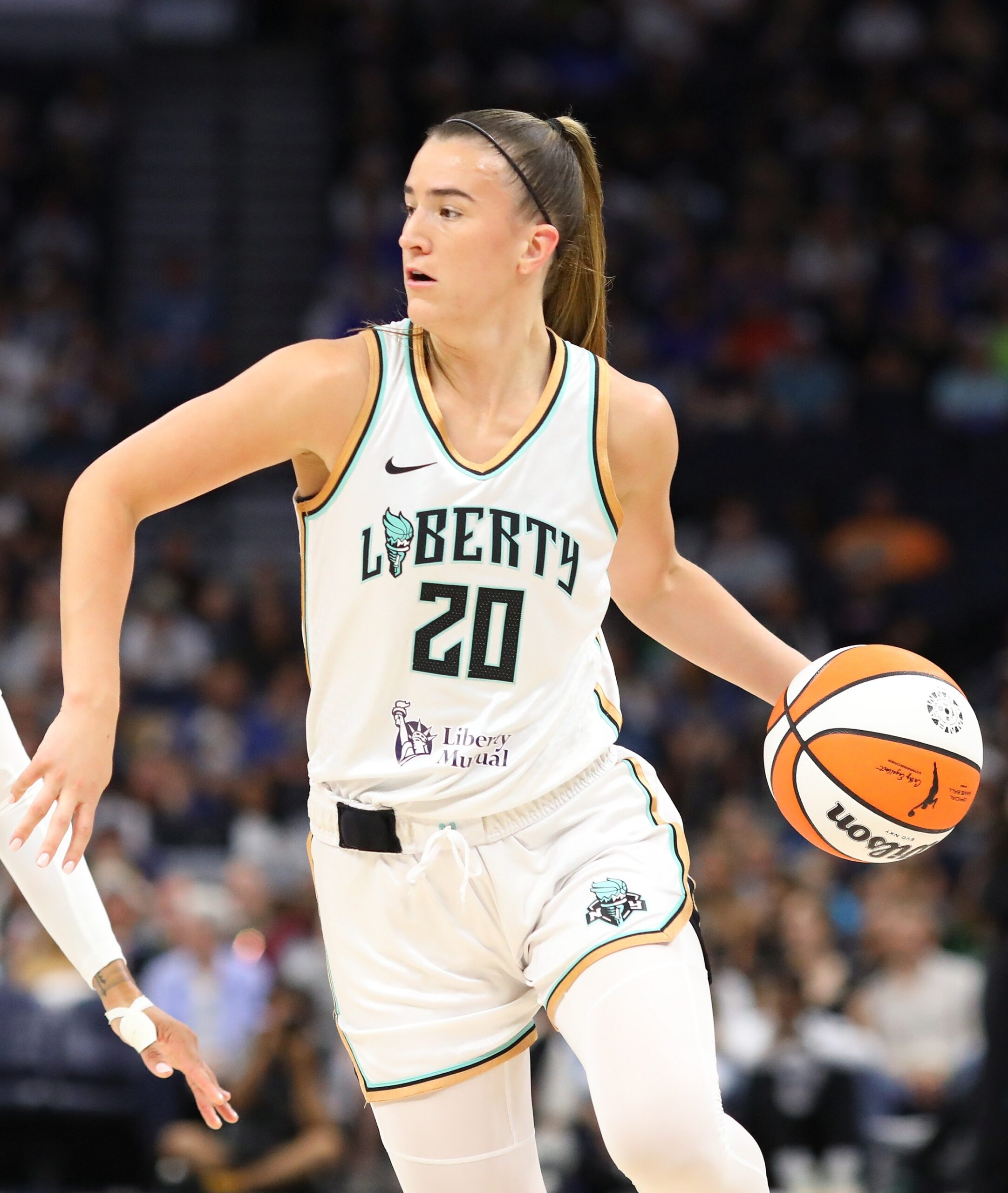
Sabrina Ionescu with the New York Liberty in 2025 (Photo: John McClellan)
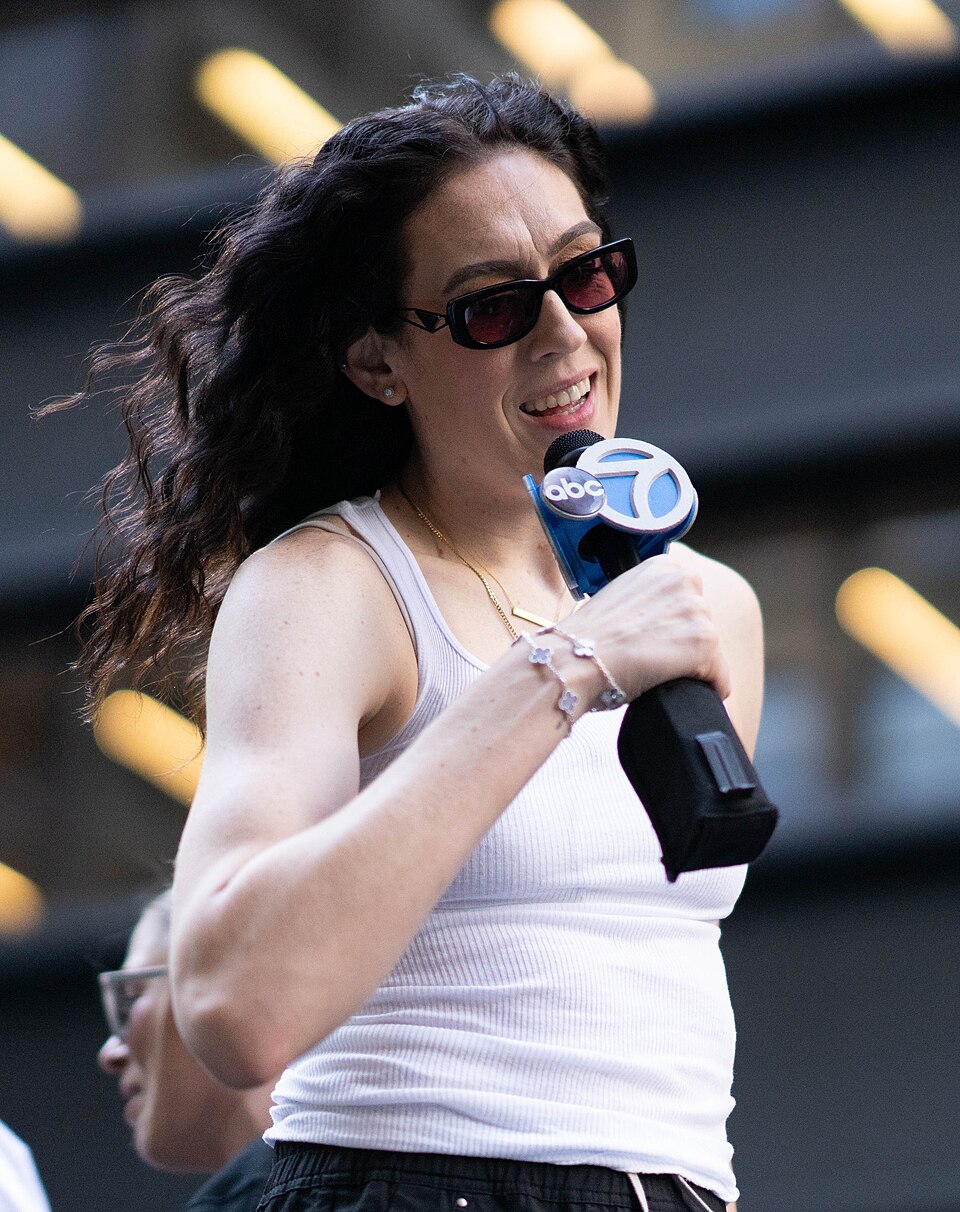
Breanna Stewart 2024, (Photo: Anthony Quintano)
A League Worth Watching
AGENDA’s connection to professional women’s basketball became more immediate when EIC Kaylene Peoples was invited through the Black Design Collective to attend a WNBA game, her first experience watching the league live. What she encountered was unmistakable: speed, physicality, precision, strategy, athleticism, personality, and competition. Peoples was not evaluating the game without a point of reference.
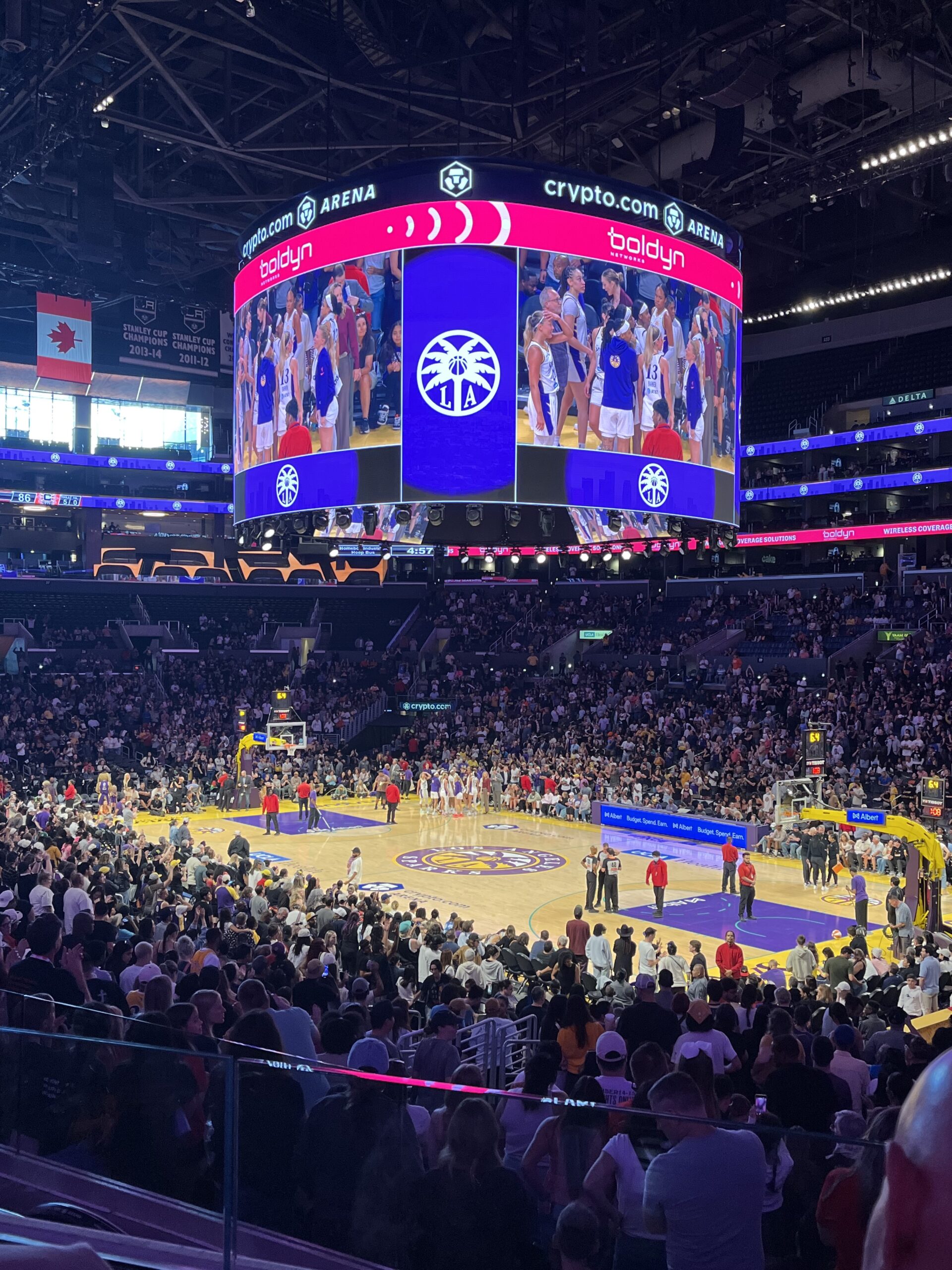
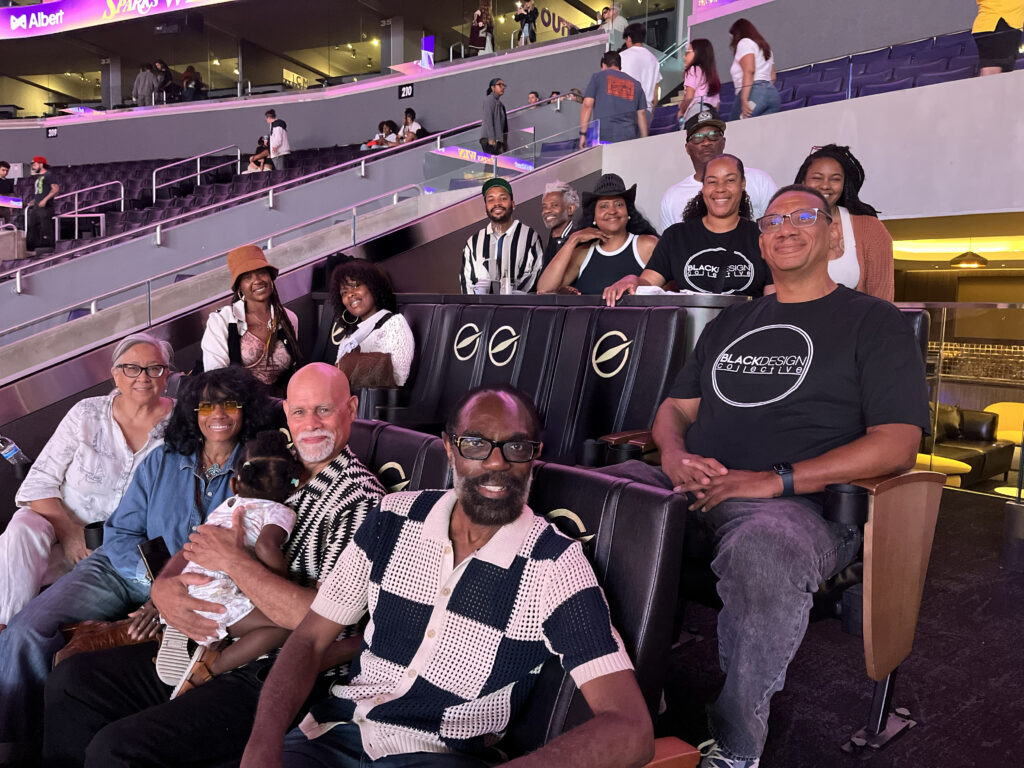
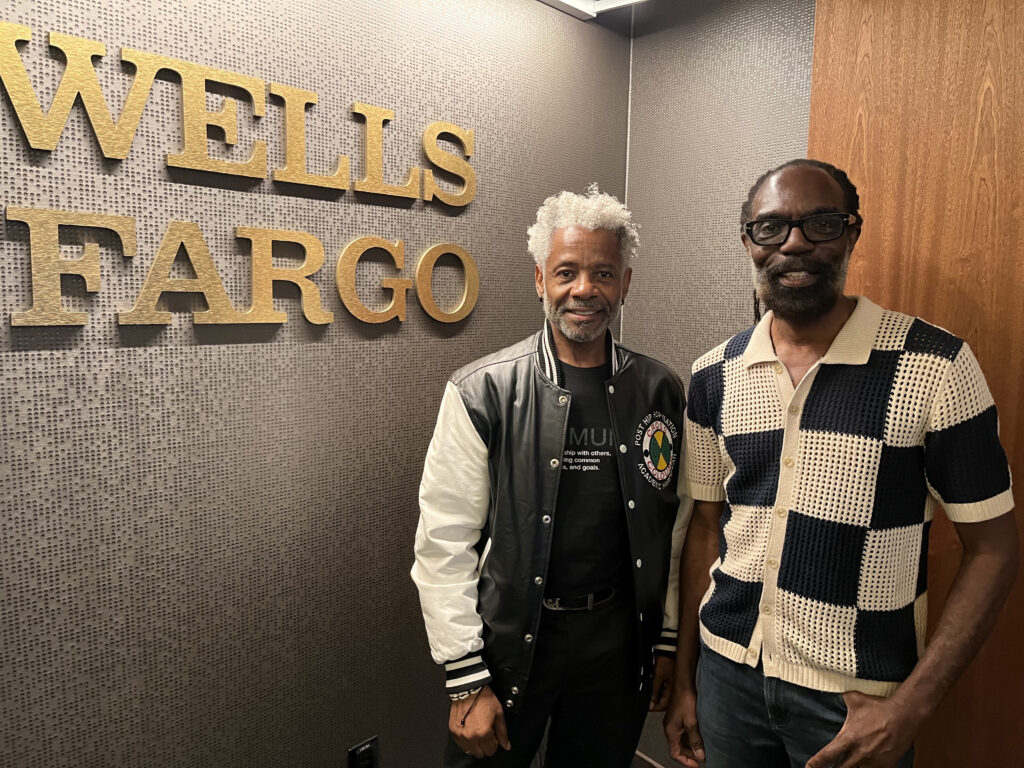
As a former competitive athlete whose experience extended through high school, college, and USTA competition, Peoples understood on multiple levels what she was watching, and the conclusion was simple: these women can play. The game was every bit as dynamic and compelling as men’s professional basketball. The athleticism was real, the competition was real, and the excitement was real. The WNBA does not deserve recognition because supporting women’s athletics is charitable or socially fashionable; it deserves recognition because these are elite professional athletes producing elite professional competition.
That distinction matters because supporting women’s sports should not require lowering the standard by which professional athletics is judged. These women can meet the standard. Attending a WNBA game, therefore, is not a symbolic gesture, and buying a ticket is not an act of charity. It is recognition of a professional sports product worth paying to see. That recognition also has consequences far beyond the arena. A girl who plays basketball no longer has to look exclusively toward a male professional athlete and mentally translate his career into something that might someday be available to her. She can watch Clark, Wilson, Reese, Bueckers, Cunningham, Collier, Ionescu, Stewart, and others. She can study their games, choose her favorites, copy their moves, and select qualities from different athletes that she wants to emulate. The WNBA has created the other end of the bridge, while the first end may be nothing more glamorous than an elementary-school gym.
Protecting the Opportunity
The WNBA’s extraordinary rise has also arrived during an intense national debate about eligibility, fairness, and the boundaries of women’s athletics. Sophia Cunningham placed herself directly inside that debate when she publicly opposed transgender women participating in women’s sports, framing her position around protecting opportunities and spaces created for girls and women. Her remarks produced fierce criticism and substantial support, demonstrations and counterdemonstrations, and a national conversation extending far beyond basketball. The dispute then took an almost surreal turn when former NBA players Enes Kanter Freedom and Royce White publicly declared intentions to seek eligibility for a future WNBA draft while saying they identify as women, deliberately challenging what they regarded as ambiguity in the league’s eligibility language.
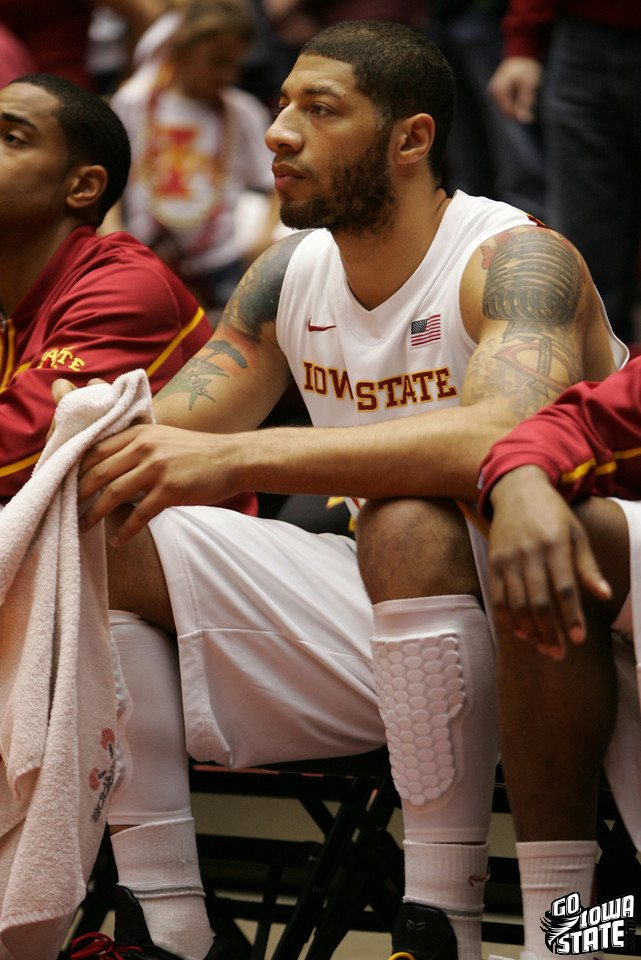
“I identify as a sometimes identifying transgender woman! My wig is in the mail.”
— ROYCE WHITE
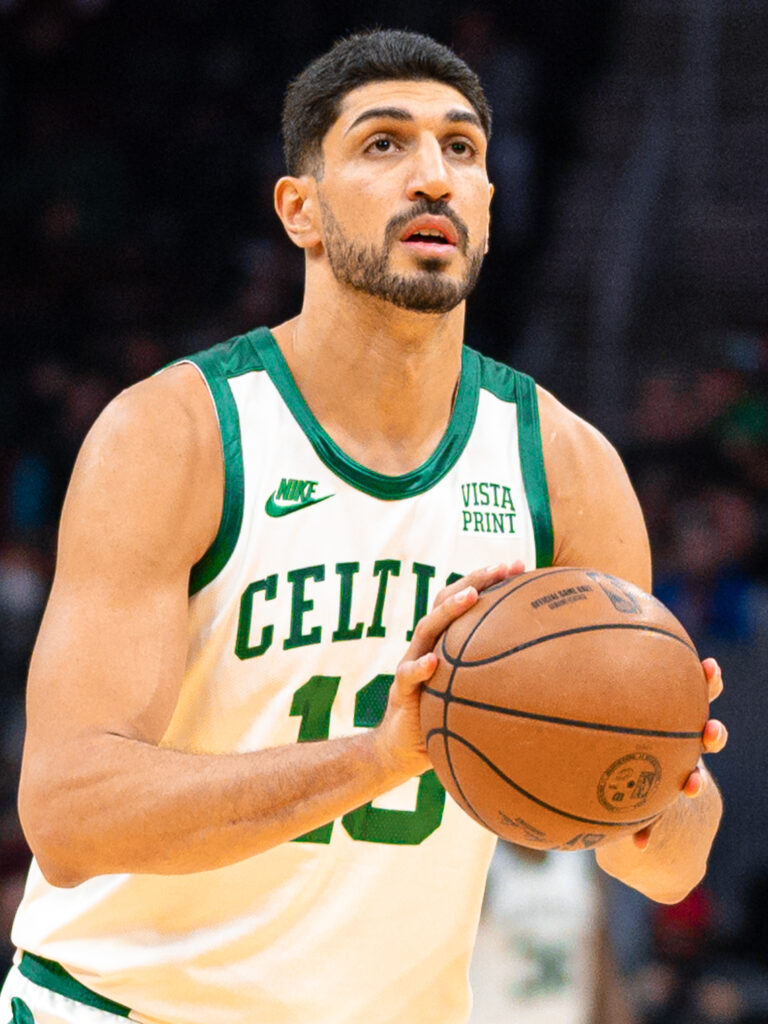
“Should I put on a wig, identify as a woman and start dominating the WNBA?”
— ENES KANTER FREEDOM
The WNBA’s collective bargaining agreement states that only women are eligible to play but does not contain more specific language defining eligibility by gender identity or sex assigned at birth. The league has said that preserving fair competition remains one of its highest priorities while also characterizing some recent attempts to provoke the eligibility question as being made in bad faith.
Beneath the political theater sits a legitimate sporting question: What does society mean when it creates a protected category of athletic competition for women? For generations, girls and women fought for courts, fields, training facilities, funding, scholarships, teams, professional leagues, and the right to have their athletic achievements treated seriously. AGENDA’s experience with the threatened Wilson High School gymnastics program demonstrated on a small but very real scale how fragile those opportunities can be. Women’s athletic spaces did not simply materialize. People fought to create them, and sometimes people must fight to preserve them. That does not require the dehumanization of anyone, but it does require governing bodies to establish rules that are clear, fair, consistently applied, and understandable to the athletes expected to compete under them. Ultimately, the league will have to determine what its eligibility language means. Then the basketball still has to be played.
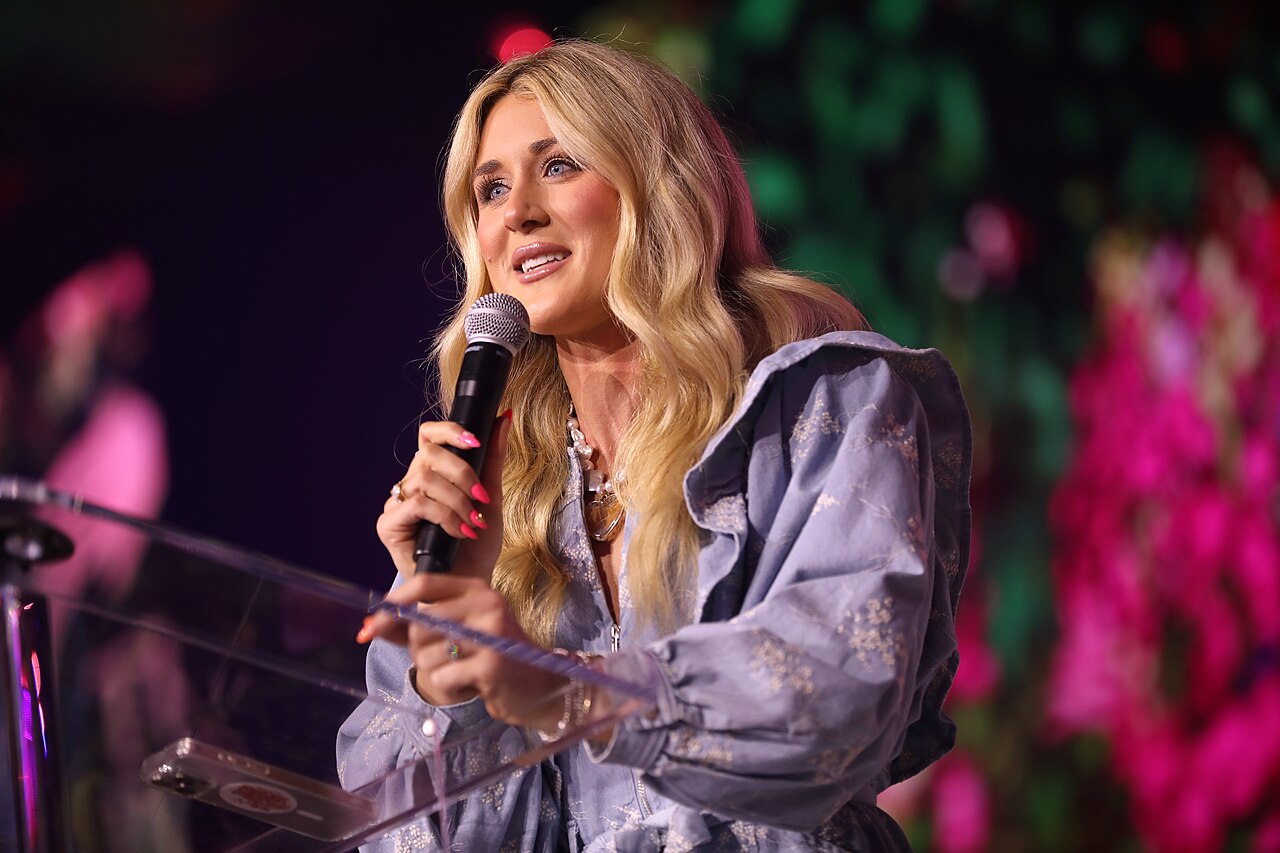
When Physicality Crosses the Line
Another recent controversy has raised an entirely different question about protecting the women already on the court. During an August matchup between Chicago and Indiana, DiJonai Carrington made hard contact with Cunningham as Cunningham attacked the basket. Officials reviewed the play, upgraded the call to a Flagrant 2, and ejected Carrington. Sophie was left bleeding, subsequently saying that she believed the contact was intentional, while Carrington denied deliberately trying to injure her. Those opposing accounts have become only part of a much larger argument, particularly as footage and commentary about Carrington’s previous physical encounters with other players have circulated online.
One video compilation circulating in the aftermath brings together footage presented as examples of Sophie’s previous hard fouls and injuries involving other players, along with sharply opposing commentary about Carrington, Cunningham, and the increasingly political atmosphere surrounding the WNBA. The video presents arguments from both sides. Carrington’s defenders characterize the physical contact as part of basketball and question Cunningham’s stature within the league, with one commentator describing Cunningham as a “mid-player.” [Facts: Sophie Cunningham is currently ranked 80 and climbing.] That commentator also acknowledges that her own basketball-playing experience consisted of two years at the junior high school level. Other voices strongly disagree. Among the most prominent testimonials presented in the video is that of NBA legend Shaquille O’Neal. According to the video, O’Neal identifies Caitlin Clark as the best player in the league; acknowledges Cunningham as one of the league’s best players; condemns Carrington’s conduct toward Cunningham; and calls for Carrington to be suspended.
The compilation also captures how far the controversy has moved beyond basketball. MAGA and anti-MAGA comments attack and defend Cunningham over her political views; racially charged commentary enters the discussion; Carrington’s critics and defenders offer dramatically different interpretations of her history of physical play; and the same footage is viewed by different people who reach completely different conclusions. There are many videos on YouTube debating the Carrington-Cunningham incident and the larger issues surrounding it… and this is just one of many. We present this particular video because it brings competing viewpoints, testimonials, commentary, and footage together in one place. It is not offered as the final authority on the controversy, nor is every assertion made within it, being adopted as AGENDA’s position. The audience can watch the footage, listen to the competing arguments, consider the experience and credibility of those making them, and reach their own conclusions.
WATCH: Video and competing commentary on the Carrington-Cunningham controversy —
Perhaps there is another possibility worth considering, too. Professional sports have always understood the commercial power of rivalry. Ali-Frazier, Lakers-Celtics, Yankees-Red Sox: rivalries create emotional investment, and emotional investment sells tickets. After witnessing the Cunningham-Carrington controversy, even an observer already impressed by the WNBA may suddenly find herself wanting to attend another game. Which raises a mischievous question: How do we know this wasn’t all one extraordinarily effective publicity stunt to sell more tickets? There is no evidence establishing that it was, but whether the controversy was spontaneous, intensified by social media, or simply became larger than anyone anticipated, one thing is undeniable: people are talking about the WNBA, and some of them are buying tickets. The controversy may get someone through the arena doors, but the quality of the basketball is what can turn that curiosity into a fan.
The Girls Are Watching
That may ultimately be what matters most. The professional stars dominating today’s conversation were once girls themselves. Before the arenas, endorsements, championship rings, television cameras, signature shoes, and millions of followers, there were practices, coaches, parents, missed shots, early mornings, long drives, losses, repetitions, and small victories that nobody outside a family or team ever witnessed. Somewhere today, another generation is beginning that journey. A little girl does not understand television ratings, collective bargaining agreements, sponsorship portfolios, attendance records, or political controversies. She understands something far simpler: she sees someone. Maybe it is Caitlin Clark launching a 3-pointer from a distance that looks impossible, A’ja Wilson controlling the paint, Angel Reese fighting relentlessly for another rebound, Paige Bueckers seeing a passing lane before anyone else sees it, or Sophie Cunningham getting knocked down and getting back up. Maybe that girl walks outside the next morning, picks up a basketball, and tries it herself.
This is where professional women’s sports and youth development become inseparable. The existence of the WNBA gives the young athlete something beyond today’s practice or next week’s game; it gives her a visible destination. More importantly, many of these players understand the responsibility accompanying that visibility. Wilson has made inspiring young girls central to her work beyond professional competition and has described seeing a young girl look at the WNBA and think, “I just want to do that,” as the “real trophy.” Reese has spoken explicitly about female athletes using their platforms to set examples for the players coming behind them. These women are not simply demonstrating how to shoot, rebound, defend, pass, or win. They are demonstrating what can happen when athletic ability is taken seriously, developed, coached, challenged, funded, and finally given a professional stage.
Fourteen years ago, AGENDA told the story of a group of high-school gymnasts fighting to keep a room in which they could train. Today, girls can turn on a television, walk into an arena, open a magazine, or look across a basketball court and see what can happen when women are given the room to compete. The stars of today’s WNBA once watched the women who came before them, copied their moves, learned their stories, dreamed about their careers, and eventually stepped onto the same courts. Now the cycle begins again. This generation of girls has more women to watch, more games to attend, more professional pathways to pursue, and a women’s league commanding a degree of cultural attention once thought impossible. That may ultimately be the WNBA’s greatest victory: not merely bigger audiences, viral moments, sold-out arenas, endorsements, or even championships. Young girls have new heroes to look up to—not only on the court, but off.